



Why Choose Our BP Specialist Doctor in Jaipur?
Managing high blood pressure requires more than just checking readings on a monitor. At Sevyam, patients get care built around their health history, lifestyle, dietary habits, diagnostic reports, and individual needs.The multidisciplinary team at Jaipur brings together expertise across cardiology, Ayurveda, naturopathy, and supportive therapies - giving blood pressure care the kind of depth a single-discipline approach simply can't offer.
Experienced Medical Team
The team at Sevyam includes healthcare professionals with backgrounds across cardiology, Ayurveda, naturopathy, and supportive therapies. Working together on the same patient - rather than in separate silos - is what allows care to be planned around individual health needs rather than a standard protocol.
Personalised Treatment
Every treatment plan gets shaped around the person sitting in front of the doctor - their BP readings, medical history, lifestyle, daily diet, stress levels, and diagnostic reports. What worked for the previous patient doesn't automatically get handed to the next one.
Comprehensive Assessment
Before anything gets recommended, patients go through proper health assessments and BP monitoring to build a clear picture of where things actually stand. Treatment that isn't based on a proper diagnosis is just guesswork.
Holistic Care
Lifestyle guidance, diet correction, yoga, naturopathy, EECP Treatment in Jaipur, and supportive therapies all come together at Sevyam as part of one connected approach to blood pressure management - not a single medication carrying all the weight.
Long-Term Monitoring
Blood pressure management doesn't end after the first appointment. Regular follow-ups, BP monitoring, and plan adjustments keep things on track over time and catch any changes before they become bigger problems.
Jaipur-Based Care
Sevyam provides in-clinic consultations in Jaipur for patients who want face-to-face care - with options also available for those who can't visit the clinic regularly.

What is Blood Pressure Reversal?
Blood Pressure Reversal isn't a miracle claim - it's a structured approach to dealing with hypertension at the root rather than just managing it on the surface indefinitely.
Most standard treatment for high BP involves medication that controls the numbers but doesn't address what's causing them to be high. That's not a criticism - medication has its place. But for a lot of patients, especially those in early to moderate stages of hypertension, there's room to do more. Correcting the diet, reducing chronic stress, improving sleep, losing weight that's been sitting around for years, getting the body moving - these things directly affect blood pressure in ways that show up on the monitor.
BP Reversal at Sevyam builds a programme around these changes - supported by natural therapies, Ayurvedic protocols, and consistent monitoring. The aim isn't to take someone off their medication overnight. It's to work on the conditions that made the medication necessary in the first place, and see what changes as that work gets done.
Meet Our Team
Experienced specialists working together to deliver personalised blood pressure care at Sevyam , Jaipur.
Dr. Naresh Mohanka
Sr. Cardiologist
Dr. Naresh Mohanka is a senior cardiologist with experience in cardiac care and a special interest in non-invasive cardiology and echocardiography. His professional background includes experience at reputed institutions including AIIMS Delhi, Apollo Delhi, Fortis Escorts Delhi, and S.D.M.H. Hospital Jaipur - bringing a strong foundation in complex cardiac cases, multivalvular assessment, and echocardiography to the team at Sevyam .
Dr. Leena Shambarkar
B.H.M.S & EECP Expert
Dr. Leena Shambarkar has extensive experience in EECP therapy and cardiovascular care.Her professional background includes working with patients managing coronary artery disease, hypertension, triple vessel disease, and heart failure - making her a key part of the blood pressure and cardiac care team at Sevyam .
Dr. Biswaroop Roy Chowdhury
Founder - | Medical Nutrition & Lifestyle Expertise
Dr. Biswaroop Roy Chowdhury is the founder of and a world-recognised medical nutritionist with decades of experience working on chronic lifestyle conditions including obesity, diabetes, and hypertension through structured diet and lifestyle-based approaches. His work on the DIP Diet and integrated natural care methodologies forms a core part of how Sevyam approaches Blood Pressure Reversal - addressing the root lifestyle and dietary factors that drive high blood pressure over time.
Types of Blood Pressure Conditions
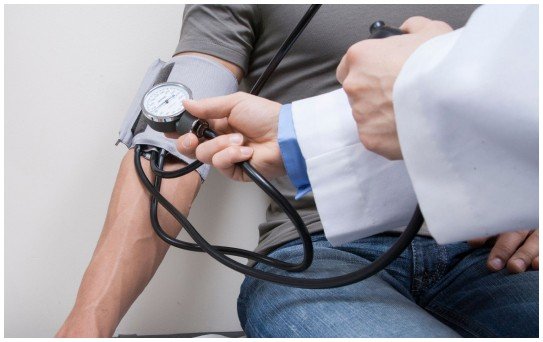
Low Blood Pressure
What is Low Blood Pressure?
Low blood pressure, or hypotension, is when blood isn't moving through the body with enough force to reach the organs and tissues properly.
Common Symptoms
Dizziness when standing up, fainting, nausea, blurred vision, persistent fatigue, and lightheadedness are the typical signs.
When Should You Consult a Doctor?
If low BP readings are frequent, interfering with daily life, or appearing alongside chest pain or breathlessness - that's worth getting checked properly. Persistent hypotension can sometimes point to something more going on underneath.
High Blood Pressure (Hypertension)
What is High Blood Pressure?
Hypertension is when blood pushes against artery walls harder than it should - day after day, quietly causing damage with no obvious warning signs.
Symptoms
Most people feel perfectly fine - which is the problem. When something does show up, it's usually headaches, dizziness, chest tightness, blurred vision, or nosebleeds.
Causes
Salty food, too little movement, chronic stress, excess weight, smoking, alcohol, diabetes, kidney trouble, family history - usually a combination.
Risk Factors
Age, family history, diabetes, high cholesterol, sedentary lifestyle, ongoing stress.
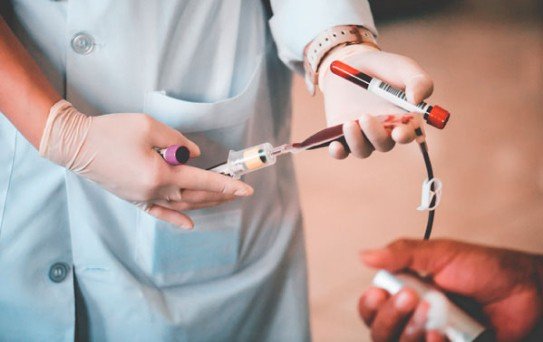
Why Early Treatment Matters
The heart, kidneys, brain, and eyes all take quiet damage over years - with no warning until something goes wrong.
When to Consult a BP Specialist Doctor in Jaipur?
Readings above 130/80 mmHg, medication not working well enough, or risk factors already present - don't put it off.
Benefits of Blood Pressure Reversal
Working on BP at the root rather than just managing numbers has real knock-on effects across the whole body:
Less Dependency on Medication
As the body responds to natural therapies and lifestyle correction, many patients find they need less medication to keep BP in a healthy range.
A Healthier Heart
Lower BP means the heart isn't working as hard. Over time that shows up as reduced risk of heart attack, better heart function, and healthier arteries.
Kidney Protection
High BP does quiet damage to the kidneys over years - damage that adds up without any obvious warning signs. Getting BP under control stops that from happening.
More Energy Day to Day
When blood moves better through the body, everything works better. Most patients notice their energy picking up as BP starts coming down consistently.
Better Sleep
High BP and broken sleep tend to travel together. Sort one out and the other tends to follow.
Clearer Thinking
A cardiovascular system under less strain means better blood flow to the brain too - and patients often feel the difference in how clearly they think and focus.
Something That Actually Lasts
The point here isn't a temporary drop in numbers. It's building the kind of daily foundation that keeps BP in a healthy range long after the programme ends - and the follow-up structure at Sevyam is what holds that in place.
How Our Blood Pressure Reversal Program Works
Assessment
A proper sit-down conversation covering everything - medical history, current reports, daily routine, stress levels, diet habits, and symptoms. The full picture before anything gets suggested.
Diagnosis
BP monitoring over time, blood tests, cardiac checks, and whatever else is needed to understand what's actually going on rather than guessing.
Root Cause Analysis
What's actually driving the high BP? Diet? Stress? Weight? Kidney function? A combination of things? This step is what separates a plan that works from one that doesn't.
Lifestyle Plan
A daily plan covering food, movement, sleep, and stress that's built around what the patient can realistically follow - not an idealised routine that nobody could actually stick to.
Treatment
Natural therapies, Ayurvedic protocols, diet correction, and supportive care - all pulled together into one integrated programme that works on BP from multiple directions at once.
Follow-Up
Regular check-ins, updated reports, and plan adjustments. BP management needs consistent attention - and that attention is built into how the programme runs at Sevyam.
Start Your Blood Pressure Reversal Journey Today
BP that's been managed for years without actually improving - that's worth addressing properly. Book a consultation with our BP Specialist Doctor in Jaipur at Sevyam .

Treatment for Blood Pressure Reversal
At Sevyam, the Blood Pressure Reversal programme isn't a list of therapies thrown together. It's a
personalised plan - built under the guidance of our BP Specialist Doctor in Jaipur - combining natural
therapies, dietary support, and lifestyle correction around what each patient specifically needs.

Hydro Therapy
Water-based treatments that work on improving circulation and reducing the strain sitting on the cardiovascular system. Simple, effective, and built into the daily structure at Sevyam.

Panchakarma
A deep Ayurvedic detoxification process that goes after the metabolic and circulatory imbalances driving high blood pressure - not just managing symptoms but working on what's underneath them.
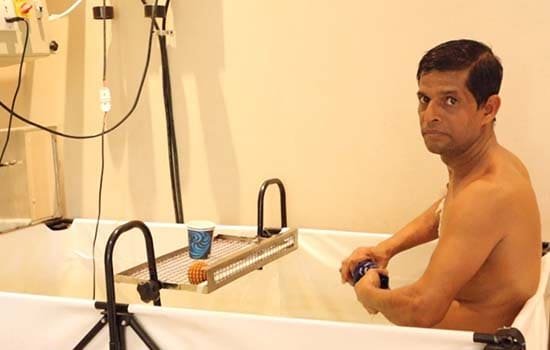
Lower Leg Immersion Therapy
Warm water immersion on the lower legs supports blood flow, reduces vascular resistance, and helps the body regulate pressure more naturally. Patients are often surprised by how much difference something this straightforward makes.

DIP Diet
Plant-based, whole food eating that naturally keeps sodium low, supports healthy weight, and takes real pressure off the cardiovascular system. A core part of how BP Reversal works at Sevyam.
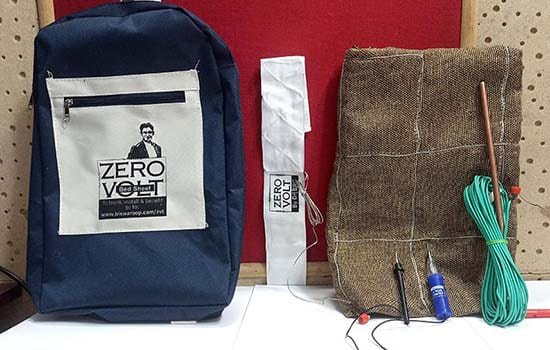
Earthing Therapy
Direct contact with the earth's surface helps bring down inflammation and calm the nervous system - both of which have a genuine effect on blood pressure regulation. Built into the daily routine here.

Acupressure
Targeted pressure on specific points releases tension, improves circulation, and helps regulate the nervous system - all of which play a role in keeping blood pressure in check.

Yoga/Pranayama
Structured breathing practices and yoga postures work directly on the nervous system - bringing down the chronic stress and tension that quietly pushes blood pressure up over time. Regular practice at Sevyam makes this a daily habit rather than an occasional add-on.
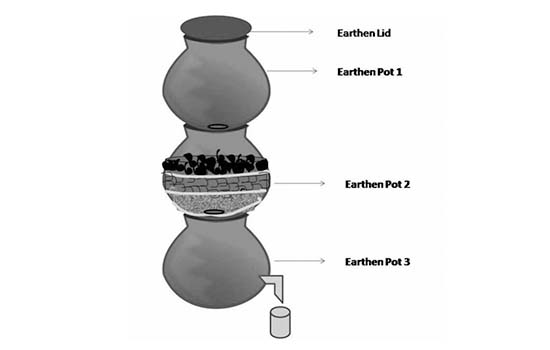
Living Water Therapy
Water stored and structured through earthen pots carries natural minerals and energetic properties that support the body's internal balance. Used as part of the daily routine at Sevyam, it contributes to overall cardiovascular wellness in a way that most people haven't considered before.
Causes & Risk Factors of High Blood Pressure
BP doesn't go high randomly. Something is pushing it there - and finding that something is what makes treatment actually work.
Causes
- A diet built around salt, processed food, and takeaways
- Spending most of the day sitting down
- Stress that's become the background noise of daily life
- Carrying weight - especially around the middle
- Smoking and drinking regularly
- Underlying conditions - diabetes, thyroid problems, kidney disease
- Certain medications taken over a long period
Risk Factors
- Age - BP tends to climb as the years go on
- Family history of hypertension or heart disease
- Diabetes or high cholesterol already in the picture
- A lifestyle with very little movement
- A diet that relies heavily on packaged and restaurant food
- Chronic stress with no real outlet
Symptoms of High Blood Pressure
High BP rarely sends obvious signals. These are the ones worth paying attention to:
Headache : Recurring headaches - especially at the back of the head - are one of the more common signs that BP is running higher than it should.
Dizziness : Sudden dizziness or feeling off-balance can point to blood pressure that's fluctuating in ways worth investigating.
Chest Pain : Any tightness or discomfort in the chest should be taken seriously - it can mean the heart is under strain from elevated BP.
Fatigue : Tiredness that sticks around no matter how much rest you get can be tied to poor circulation caused by high blood pressure.
Blurred Vision : High BP affects the tiny blood vessels in the eyes - and blurred or changed vision can be an early sign that it's been running too high for too long.
Nosebleeds : Frequent nosebleeds with no obvious explanation can occasionally be linked to significantly elevated blood pressure.
FAQs
Can high blood pressure actually be reversed?
For many patients in early to moderate stages – yes. Diet, lifestyle correction, natural therapies, and consistent monitoring have helped a lot of patients at Sevyam see lasting improvement. Every case needs its own assessment though.
What causes high blood pressure?
Usually a mix of things – poor diet, not moving enough, chronic stress, excess weight, smoking, alcohol, genetics, or an underlying condition. Rarely just one thing on its own.
What are the early symptoms of high blood pressure?
Most of the time – nothing at all, which is the problem. When something does show up, it’s usually headaches, dizziness, chest discomfort, blurred vision, or nosebleeds. Regular BP checks are the only way to catch it early.
What therapies are used in the Blood Pressure Reversal programme?
Hydro Therapy, Panchakarma, Lower Leg Immersion Therapy, DIP Diet, Earthing Therapy, and Acupressure – all part of one connected plan, not separate treatments running in isolation.
How long does it take to see results?
Depends on the individual – current BP levels, how long hypertension has been present, and how consistently the programme gets followed all factor in. Most patients notice meaningful changes within a few weeks of properly starting.
What is the difference between low and high blood pressure?
Low BP means not enough force pushing blood through the body – causing dizziness and fatigue. High BP means too much force – quietly damaging the heart, kidneys, and blood vessels without obvious symptoms.
Is high blood pressure dangerous?
Very – because it does serious damage without feeling like much at all. Heart attack, stroke, kidney failure, vision problems – uncontrolled hypertension raises the risk of all of them.
Who is most at risk?
People over 40, those with a family history of hypertension, diabetes patients, smokers, people carrying excess weight, high-sodium diet eaters, and anyone under consistent chronic stress.
Can stress alone cause high blood pressure?
Chronic stress keeps the nervous system on constant alert – and over time that directly pushes BP up. Yoga, meditation, and stress management are central parts of the Reversal programme at Sevyam for exactly this reason.
How often should BP patients get checked?
Once a month is a good rhythm for most patients actively managing hypertension. More often if BP is shifting or treatment is being adjusted. Regular monitoring is what keeps everything on track.