Stomach Disorders

Stomach Disorders - Symptoms, Causes and Treatment

Stomach disorders are far more common than most people realise - and far more varied. From occasional acidity and bloating to persistent conditions like IBS, GERD, and gastritis, digestive problems affect daily life in ways that go well beyond just discomfort after meals. Symptoms like abdominal pain, nausea, changes in bowel habits, and constant heaviness signal that something needs attention. Causes range from eating habits and stress to infections and underlying digestive conditions. At Sevyam HIIMS in Jaipur, we approach stomach disorders through a combination of dietary guidance, Ayurveda, lifestyle correction, and naturopathy, building care around the individual rather than applying the same approach to every patient.

What are Stomach Disorders?

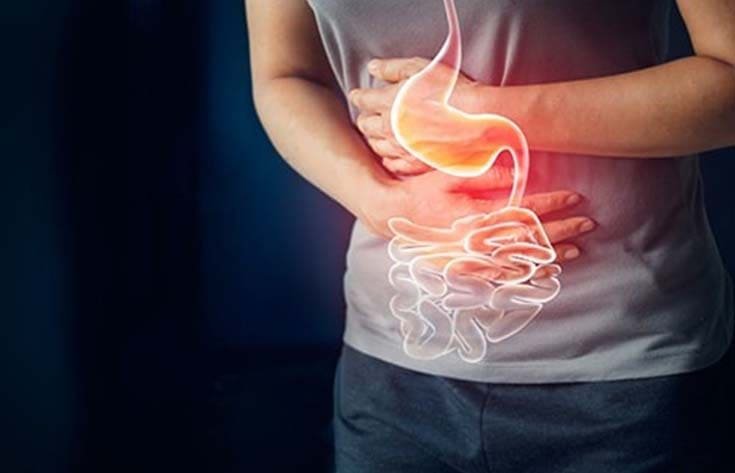
Most people have dealt with some kind of stomach trouble at one point or another - a bout of acidity after a heavy meal, bloating that won't settle, or digestive patterns that suddenly go off track. What often gets missed is that these aren't always isolated incidents. Stomach disorders cover a wide range of conditions affecting different parts of the digestive system - the stomach, intestines, oesophagus, and beyond - each interfering with digestion, nutrient absorption, and gut function in its own way. Some of these conditions arrive suddenly and resolve with a clear cause behind them. Others develop quietly over months or years, becoming part of the daily routine before anyone thinks to question whether something's actually wrong. Bloating after every meal, acidity that's just "always there," bowel habits that have never quite felt normal - these things get normalised when they shouldn't be. The tricky part is that similar symptoms - pain, bloating, changes in bowel habits - can point to very different conditions in different people. Getting the right picture requires proper evaluation, not guesswork.
 Hospital, Sevyam, Sevyam Treatments allopathy doctor, Integrated medical hospital ayurveda hospital, ayurveda treatment, ayurvedic doctor, ayurvedic method, ayurvedic recepies, ayurvedic therapy, ayurvedic treatment center, ayurvedic treatment for stomach disorders, Panchakarma treatment naturopathy hospital, naturopathy treatment, neurological problem BAMS Doctor, Dr. Avdesh Pandey, Dr. Biswaroop roy chaudhary, Dr. BRC, Dr. Khadar vali healthy living, homeopathy treatment, how to change lifestyle Cure Kidney Disease, GRAD treatment, Kidney Failure, Kidney Infection, Kidney stones, Polycystic Kidney Disease healthy heart, Heart care, heart disease, heart health, heart hole, Heart Treatment, Heart treatment without surgery, natural bypass, no angioplasty, no bypass High bp, low bp, BP reversal diabeties cure, diabeties doctor, diabeties reversal treatment, diabeties therapy, diabeties treatment SEVYAM  Coronary heart disease, eecp therapy artery chelation, artery cleansing drink, Chelation therapy healthy living, how to change lifestyle healthy diet, healthy food, millet based food, millet diet All type of cancer, cancer tests, how to cure cancer, how to treat cancer, medicine to cure cancer cure liver disease, home treatment for liver disease, how cure liver problems, how to treat liver disease, liver disease cure PCOD, how to cure period problem, pcod treatment, period problems, women problem Thyroid, Treatment For Thyroid can parkinsons be cured without medicine, how to cure parkinsons disease cure joint pain naturally, joint replacement, panchkarm for knee pain how to loose weight, how to lose weight, loose 10 kg weight in just 7 days, Overweight, weightloss Stomach Disorders how to cure asthma, Treatment For Asthma how to cure thalassemia, Treatment For Thalassemia Treatment For Varicose Veins, varicose veins Sehat Store zero oil food Sevyam blog Online Consultation, Online Treatment Sevyam Testimonial Hydro Therapy HTD Therapy Earthing Therapy Hot water Immersion Therapy Living Water Therapy Acupressure CT coronary angiography Blood Investigations 3 Day Reversal Program Natural Insulin Therapy Hot and cold therapy Mud Therapy leaf Therapy Circadian Triangle Physiotherapy Leach Therapy How to prevent chronic kidney disease? Insights About Natural Bypass Treatment For Heart Blockages Privacy Policy Return And Refund Policy

Common Types of Stomach Disorders
Stomach Disorders
1
Gas and Bloating
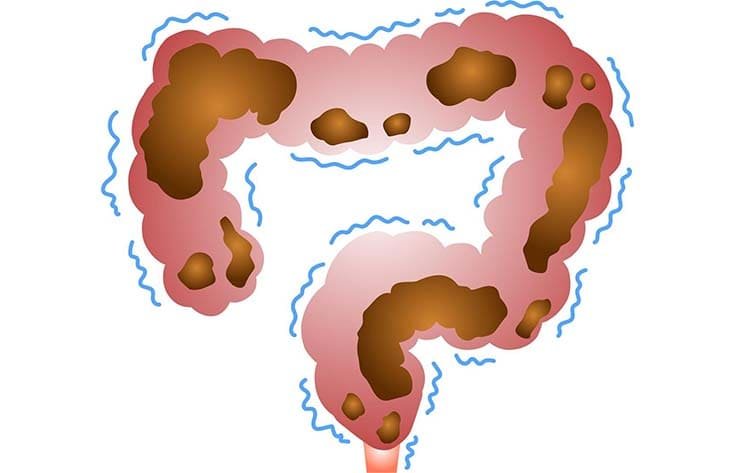
A stomach that feels blown up, pressure that builds through the day, gas that won't pass comfortably - bloating is something a huge number of people deal with regularly and mention only as an aside. It tends to come from what's being eaten, how fast it's going down, what's happening with gut bacteria, or a food intolerance that hasn't been identified yet. Once in a while it means nothing. When it keeps coming back the same way, it's telling you something.
Stomach Disorders
2
Irritable Bowel Syndrome (IBS)
IBS is a condition where nothing looks structurally wrong with the gut - but it behaves as though something is. Cramping, bloating, days of constipation followed by loose stools, or both unpredictably - the pattern varies from person to person and often from week to week. Stress tends to make it significantly worse, and what goes on the plate plays a big role in how frequently symptoms flare.
Stomach Disorders
3
Acidity and Heartburn
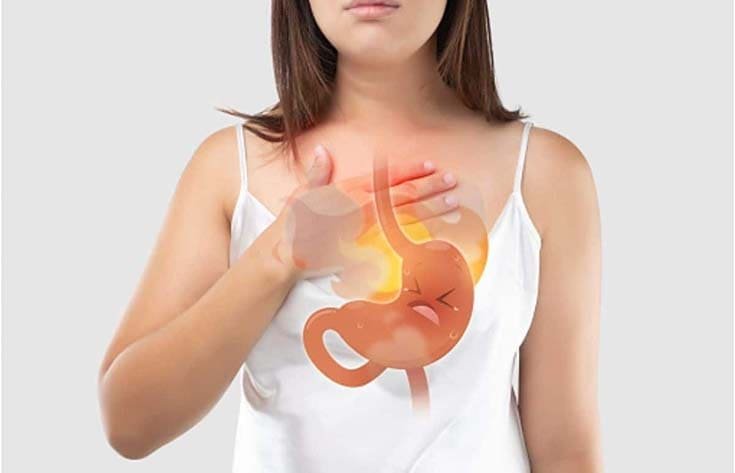
A burning sensation moving up from the stomach into the chest or throat, often after eating - this is what acidity feels like when stomach acid moves into the oesophagus. Spicy food, heavy meals, eating late at night, and chronic stress all contribute to making it worse and more frequent.
Stomach Disorders
4
Peptic Ulcers
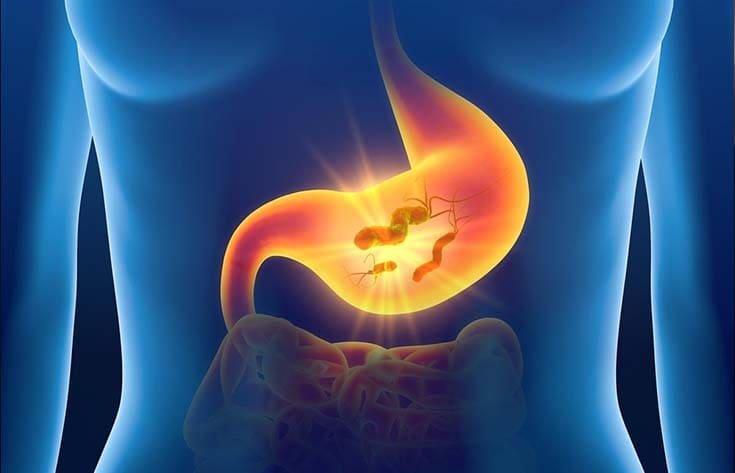
Open sores that develop on the lining of the stomach or the upper part of the small intestine. They cause a burning or gnawing pain that can come and go, sometimes worse when the stomach is empty. H. pylori infection and long-term use of certain anti-inflammatory medications are the most common causes.
Stomach Disorders
5
Colitis
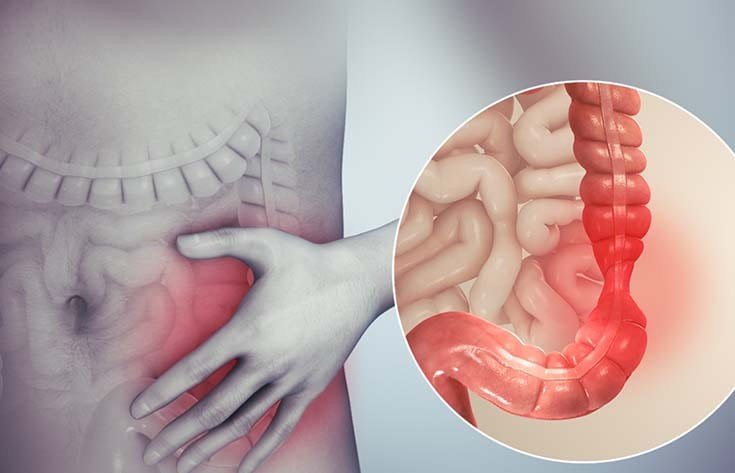
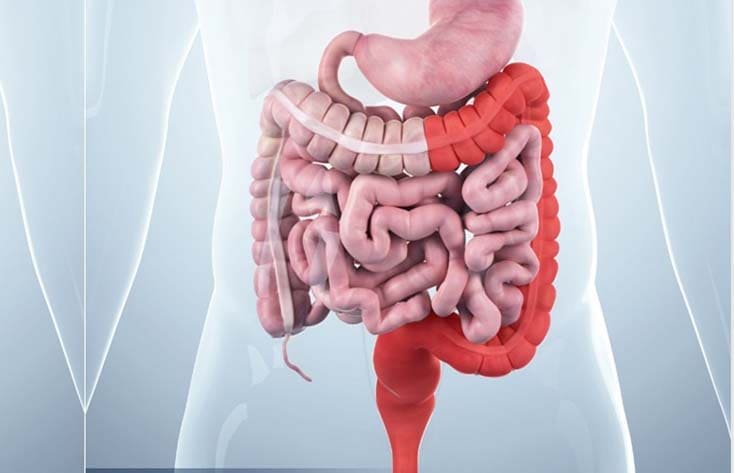
Inflammation of the colon that causes abdominal pain, cramping, diarrhoea - sometimes with blood - and urgency. It can range from acute infectious colitis to chronic inflammatory bowel conditions that need ongoing management.
Stomach Disorders
6
Gastroesophageal Reflux Disease (GERD)
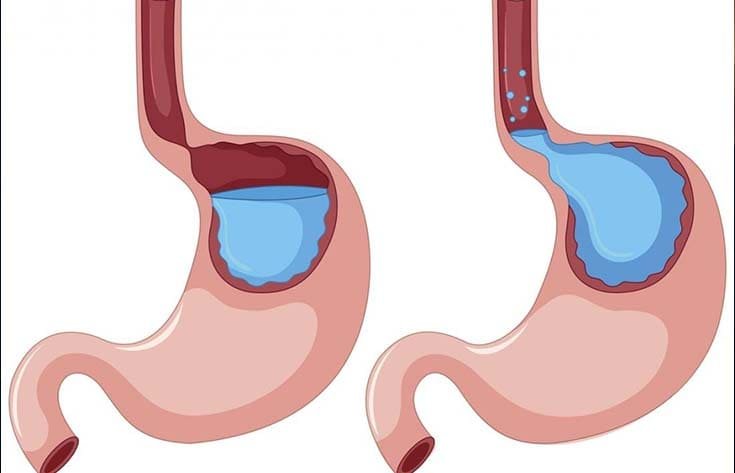
When acid reflux becomes frequent and persistent rather than occasional, it gets classified as GERD. The oesophagus gets repeatedly exposed to stomach acid, leading to chronic heartburn, a sour taste in the mouth, difficulty swallowing, and in some cases damage to the oesophageal lining over time.
Stomach Disorders
7
Gastritis
Inflammation of the stomach lining - causing upper abdominal pain, nausea, and feeling full very quickly when eating. It can come from H. pylori infection, excessive alcohol, long-term use of NSAIDs, or persistent stress that disrupts the stomach's protective lining.
Stomach Disorders
8
Constipation
Going infrequently, straining, passing stool that's hard and dry, or walking away from the bathroom still feeling like something's left behind - constipation is more than just an inconvenience when it becomes the norm. Diet, how much water gets drunk through the day, how little the body moves, and stress levels all feed into it. The longer it goes unaddressed, the more it affects energy, mood, and the rest of gut function.
Stomach Disorders
9
Diarrhea
When the gut starts moving things through much faster than usual, loose and watery stools follow. This can come from an infection, something eaten that didn't agree, stress, medication, or a deeper digestive condition. A day or two of it usually sorts itself out. When it keeps happening - or when it comes with other symptoms - it needs a proper look rather than another round of short-term management.
Stomach Disorders
10
Dyspepsia
That heavy, uncomfortable feeling in the upper stomach after eating - not quite pain, but not comfortable either. Fullness that lingers, mild nausea, a general sense that digestion isn't doing what it should. Dyspepsia is usually a sign that something else is going on in the digestive system rather than a condition in its own right.
Stomach Disorders

Symptoms of Stomach Disorders

Digestive symptoms vary widely depending on the underlying condition, but these are the ones that show up most commonly across different stomach disorders:
  • Abdominal pain or cramping
  • Bloating and visible distension
  • Excessive gas
  • Acidity and heartburn
  • Nausea
  • Vomiting
  • Indigestion and heaviness after eating
  • Constipation
  • Diarrhoea
  • Changes in appetite
  • Persistent feeling of fullness
  • Changes in stool colour or consistency
Symptoms can vary depending on the underlying condition, how long it has been present, and individual factors like stress levels, diet, and overall health. The same symptom - bloating, for example - can point to very different conditions in different people, which is why the full picture matters when seeking evaluation.

What Causes Stomach Disorders?

Every stomach disorder has its own set of causes - and no two cases are identical. That said, certain factors come up repeatedly across different digestive conditions:
  • Unhealthy eating habits - irregular meals, overeating, rushed eating, and poor food choices all put ongoing strain on the digestive system
  • Stress - one of the most underestimated drivers of gut problems, with a direct physiological effect on how the digestive system functions
  • Infections - bacterial, viral, or parasitic infections that disrupt normal gut function
  • Food intolerances - certain foods trigger symptoms in some people without causing any problem for others
  • Excessive spicy or fatty food - places extra demand on the stomach and irritates the gut lining over time
  • Certain medications - long-term use of anti-inflammatory drugs, antibiotics, and other medications can affect the stomach lining and gut bacteria
  • Alcohol and smoking - both have well-established effects on the digestive system
  • Physical inactivity - a sedentary lifestyle slows gut motility and contributes to constipation and sluggish digestion
  • Underlying digestive conditions - some stomach disorders arise from or are complicated by other conditions already present

 Hospital, Sevyam, Sevyam Treatments allopathy doctor, Integrated medical hospital ayurveda hospital, ayurveda treatment, ayurvedic doctor, ayurvedic method, ayurvedic recepies, ayurvedic therapy, ayurvedic treatment center, ayurvedic treatment for stomach disorders, Panchakarma treatment naturopathy hospital, naturopathy treatment, neurological problem BAMS Doctor, Dr. Avdesh Pandey, Dr. Biswaroop roy chaudhary, Dr. BRC, Dr. Khadar vali healthy living, homeopathy treatment, how to change lifestyle Cure Kidney Disease, GRAD treatment, Kidney Failure, Kidney Infection, Kidney stones, Polycystic Kidney Disease healthy heart, Heart care, heart disease, heart health, heart hole, Heart Treatment, Heart treatment without surgery, natural bypass, no angioplasty, no bypass High bp, low bp, BP reversal diabeties cure, diabeties doctor, diabeties reversal treatment, diabeties therapy, diabeties treatment SEVYAM  Coronary heart disease, eecp therapy artery chelation, artery cleansing drink, Chelation therapy healthy living, how to change lifestyle healthy diet, healthy food, millet based food, millet diet All type of cancer, cancer tests, how to cure cancer, how to treat cancer, medicine to cure cancer cure liver disease, home treatment for liver disease, how cure liver problems, how to treat liver disease, liver disease cure PCOD, how to cure period problem, pcod treatment, period problems, women problem Thyroid, Treatment For Thyroid can parkinsons be cured without medicine, how to cure parkinsons disease cure joint pain naturally, joint replacement, panchkarm for knee pain how to loose weight, how to lose weight, loose 10 kg weight in just 7 days, Overweight, weightloss Stomach Disorders how to cure asthma, Treatment For Asthma how to cure thalassemia, Treatment For Thalassemia Treatment For Varicose Veins, varicose veins Sehat Store zero oil food Sevyam blog Online Consultation, Online Treatment Sevyam Testimonial Hydro Therapy HTD Therapy Earthing Therapy Hot water Immersion Therapy Living Water Therapy Acupressure CT coronary angiography Blood Investigations 3 Day Reversal Program Natural Insulin Therapy Hot and cold therapy Mud Therapy leaf Therapy Circadian Triangle Physiotherapy Leach Therapy How to prevent chronic kidney disease? Insights About Natural Bypass Treatment For Heart Blockages Privacy Policy Return And Refund Policy

How are Stomach Disorders Diagnosed?

Diagnosis starts with a proper understanding of what the patient is actually experiencing – not just the symptom, but when it started, what makes it better or worse, what the diet looks like, and what else is going on health-wise. From there, evaluation may include:

Medical History: A detailed conversation covering symptoms, how long they’ve been present, dietary habits, stress levels, medications, and family history of digestive conditions.

Physical Examination: A clinical examination of the abdomen to check for tenderness, distension, or other physical signs pointing toward a specific condition.

Blood Tests: Used to check for infection, inflammation, anaemia, or other markers that may indicate what’s happening in the gut.

Stool Tests: Helpful for identifying infections, blood in the stool, or signs of malabsorption.

H. pylori Testing: Specifically checks for the bacteria most commonly linked to gastritis and peptic ulcers.

Imaging When Needed: Ultrasound or other imaging to assess the digestive organs where indicated.

Endoscopy When Clinically Indicated: A direct look at the stomach and oesophagus lining for cases where imaging and blood tests don’t give a clear enough picture.
Gentle care for your gut health journey
Stomach Disorders

Treatment for Stomach Disorders

At Sevyam HIIMS, treatment for stomach disorders is built around what's actually driving the condition in the individual patient - not a standard protocol applied to everyone with similar symptoms.


Stomach Disorders
1
Panchakarma
When digestive imbalances have been building for a long time, surface-level changes don't always reach deep enough. Panchakarma procedures clear the accumulated load that's been sitting in the system - toxins and imbalances that dietary changes alone can't fully address - and reset the digestive system so that what follows actually lands properly.
Stomach Disorders
2
Dietary Management
Food is often both a trigger and a solution for stomach disorders. A personalised dietary plan - tailored to the specific condition, the patient's food habits, and their digestive response - forms the foundation of care here. What works for one condition may not work for another, which is why dietary guidance is always individualised.
Stomach Disorders
3
Yoga and Pranayama
The gut and the breath are more connected than most people realise. Specific yoga postures get the gut moving better physically, and pranayama practices calm the nervous system in ways that directly reduce stress-driven digestive symptoms. Neither works as a one-off - the benefit comes from doing both consistently as part of the daily routine.
Stomach Disorders
4
Acupressure
Pressure applied to specific points on the body that correspond to digestive function - reducing bloating and discomfort, supporting gut motility, and calming the nervous system signals that interfere with healthy digestion. It works best as one part of a broader integrated approach rather than in isolation.

Why Choose Sevyam for Stomach Disorders?

There are plenty of options for digestive care in Jaipur. What makes Sevyam HIIMS different is the way care actually gets delivered:

Experienced Healthcare Professionals: A team with backgrounds across Ayurveda, naturopathy, and integrated medicine working together on each patient’s case – rather than one approach applied in isolation.

Individualised Treatment Approach: No two patients with stomach disorders get the same plan here. Symptoms, medical history, lifestyle, diet, and stress levels all shape what gets recommended – because the same symptom can have very different causes in different people.

Dietary and Lifestyle Guidance: Genuine, practical guidance on food and daily habits forms a central part of every care plan – not just a printed sheet handed out at the end of a consultation.

Integrated Healthcare Approach: Ayurveda, naturopathy, yoga, Panchakarma, and dietary therapy all work together rather than as separate options – giving stomach disorder care more depth than any single discipline alone.

Patient Education: Understanding what’s driving the condition helps patients make changes that actually stick. Education is built into how care gets delivered at Sevyam – not something that happens as an afterthought

Long-Term Digestive Health Management: Stomach disorders often need ongoing attention rather than a one-time fix. Regular follow-ups, plan adjustments, and consistent monitoring are part of how Sevyam manages digestive health over time.

Jaipur-Based Facility: Conveniently located in Jaipur with in-clinic consultations available – and support options for patients who cannot visit regularly

FAQs

What are stomach disorders?
Stomach disorders are conditions that affect how the digestive system functions – covering a wide range of issues from acidity and bloating to IBS, gastritis, peptic ulcers, and GERD. They can affect the stomach, intestines, oesophagus, or multiple parts of the gut at once.
What are the most common stomach disorders?
Acidity, heartburn, IBS, gas, bloating, constipation, gastritis, GERD, peptic ulcers, diarrhoea, dyspepsia, and colitis are the ones that come up most often. Every one of them has a different cause and needs a different management approach – which is exactly why diagnosis comes before treatment.
What are the common symptoms of stomach disorders?
Abdominal pain, bloating, gas, acidity, nausea, indigestion, irregular bowel habits, and appetite changes are the most frequent ones. The problem is the same symptom can mean different things in different people – symptoms alone never tell the whole story.
What causes stomach disorders?
Usually a mix of things – irregular eating, chronic stress, infections, food intolerances, certain medications, alcohol, smoking, and too little movement. Rarely just one cause on its own. Most digestive conditions develop when several of these pile up together over time.
Can stress cause stomach problems?
More than most people expect – yes. The gut and brain have a direct line of communication through the nervous system, and when stress becomes chronic, the gut feels it in very physical ways. Cramping, acidity, bloating, and changes in bowel habits that seem to appear without a food-related cause are often stress responses. It’s one of the reasons stress management is built into stomach disorder treatment at Sevyam rather than treated as optional.
How are stomach disorders diagnosed?
Medical history, a physical examination, blood tests, stool tests, H. pylori testing, and imaging or endoscopy where the situation calls for it – all of these pieces get put together to build the right picture. No single test covers every type of stomach disorder, so the diagnostic path depends on what the patient’s symptoms and history are pointing toward.
Can stomach disorders be treated naturally?
Quite a few stomach disorders respond meaningfully to natural approaches – the right diet, Ayurvedic support, lifestyle correction, yoga, and Panchakarma – especially when care starts before things have progressed too far. At Sevyam, natural and integrated care forms the backbone of how stomach disorders are managed, alongside proper evaluation to make sure nothing more serious gets missed.