



Understanding PCOS - Symptoms, Diagnosis, Causes, and Care Options
Most women find out about PCOS when something stops making sense. Periods that were always regular suddenly are not. Skin that was fine is breaking out constantly. Hair showing up where it never was before. Months of trying to get pregnant with nothing happening. These are the kinds of things that send women looking for answers - and PCOS symptoms and treatment is usually where that search ends up.
Worth knowing upfront: PCOS got a new name in 2026. It is now called Polyendocrine Metabolic Ovarian Syndrome - PMOS - after specialists concluded the old name did not capture the full picture of what the condition does to the body. Same condition. Different name. Nothing else changed.
PCOS and PMOS - What the Name Change Means
In 2026, specialists working through an international consensus process agreed on a new name for the condition - Polyendocrine Metabolic Ovarian Syndrome, or PMOS. The reasoning was that Polycystic Ovary Syndrome put too much focus on the ovaries and the cysts, when the condition actually affects hormones, metabolism, and reproductive health in a much broader way.
PCOS is still being used widely - the new terminology will take time to catch on - and both names point to the same thing. Not two different conditions. Not an updated diagnosis needed. A woman who was diagnosed with PCOS before 2026 still has the same condition. Her treatment does not change because the name did.
PCOS: Your Journey, Our Personalised Care

PCOS Treatment Options
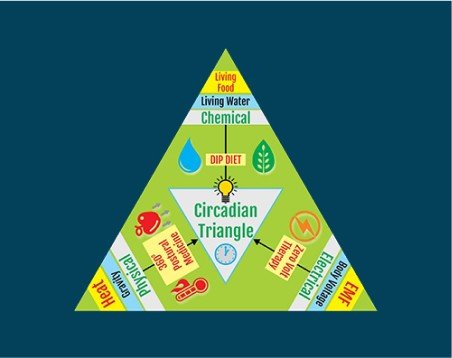
At Sevyam HIIMS, PCOS care focuses on a holistic approach that combines hydrotherapy, the DIP Diet Plan, yoga and pranayama, and the Circadian Triangle to support healthier lifestyle habits and overall well-being. Treatment guidance is tailored to individual needs, with a focus on nutrition, daily routines, and personalised care.

1
Hydro Therapy

2
Dip Diet Plan

3
Yoga/Pranayama
4
Circadian Triangle
What Causes PCOS?
Nobody has pinned down a single cause. What researchers have found is a set of factors that tend to show up together - interacting with each other in ways that are still being understood.
Hormonal Changes and Androgen Levels
Androgen levels run higher than normal in most women with PCOS - higher than what is typical for women generally. These are hormones that women do produce - just not typically in these amounts. When levels run high, ovulation gets disrupted. Skin gets oilier. Hair starts growing in places it usually does not. The exact reason this happens in some women and not others is something science has not fully worked out yet.
Insulin Resistance and Metabolic Factors
In many women with PCOS, insulin does not do its job properly - the cells just do not respond to it the way they are supposed to. To make up for it, the body starts churning out more insulin. That extra insulin ends up stimulating the ovaries, which then push out more androgens. One thing triggers another. Some women with PCOS barely experience this at all. Others feel it significantly. Often enough, though, that it is genuinely worth knowing about.
Genetics and Family History
PCOS tends to show up across generations in the same family. Having a mother or sister who has had it does raise the chances of developing it yourself. Nobody has pinpointed exactly which genes are responsible - that research is still ongoing - but the familial connection is clear enough that it gets taken seriously in clinical settings.
Other Factors Affecting Symptoms
Things like body weight, stress, how well someone sleeps, and how much they move through the day - none of these cause PCOS. What they do is influence how the condition behaves. The same diagnosis can feel very manageable for one woman and overwhelming for another, and a lot of that comes down to these surrounding factors.
Common PCOS Symptoms in Women
Irregular or Missed Periods
This is often the first thing women notice. The cycle becomes unpredictable - periods arriving very late, very rarely, or not at all. It happens because the hormonal imbalance interferes with ovulation. Some women ovulate occasionally but not consistently. Some women go several months without one showing up at all.
Acne and Oily Skin
Higher androgen levels push the skin’s oil glands to produce more than they should. More oil means more blocked pores. More blocked pores means more breakouts - typically on the face, back, and chest. Because this is hormonal rather than surface-level, it tends not to respond well to standard skincare fixes.
Excess Facial or Body Hair
Hair growing on the upper lip, chin, chest, or abdomen - in a pattern more associated with men - is called hirsutism. The same hormone imbalance behind the acne is what drives this too. How significant it is varies enormously between women. For some it is barely noticeable. For some women it is the part of PCOS that hits hardest emotionally.
Hair Thinning or Hair Loss
While hair appears in unexpected places, it can thin on the scalp at the same time. Usually at the crown or temples. Also androgen-related. It does not affect every woman with PCOS - but for those it does, it can be difficult to deal with emotionally, not just physically.
Weight and Metabolic Changes
Weight management tends to be harder with PCOS - particularly for women with insulin resistance. The body becomes more inclined to store fat, especially around the middle, and less inclined to let it go even with effort. That said, PCOS affects women at every body weight. Being lean does not mean ruling it out.
Difficulty Getting Pregnant
Irregular ovulation means the timing of conception becomes unpredictable. For women trying to get pregnant, PCOS can mean it takes longer, or that some medical support is needed. Many women with PCOS do conceive - and for some, it happens without any treatment involved - but it needs to be part of the conversation with a healthcare professional when pregnancy is the goal.
How Is PCOS Diagnosed?
Not through one test. Diagnosis involves putting several pieces together - what the woman is experiencing, her history, and what the tests show when interpreted in context.
Medical History and Symptom Assessment
The conversation comes first. Cycle history, symptoms, family background, overall health. This shapes which tests get ordered and how the results get read. Context matters as much as numbers.
standard protocol.
Blood Tests and Hormone Evaluation
Blood tests look at androgen levels, insulin, thyroid function, and other relevant markers. They also help rule out other conditions - thyroid disorders and elevated prolactin can produce symptoms that look a lot like PCOS. No single result confirms the diagnosis on its own.
When Is a Pelvic Ultrasound Needed?
Sometimes. An ultrasound can show the characteristic follicle pattern associated with PCOS - but not every woman with PCOS has it, and having it does not confirm the diagnosis by itself. Whether it is needed depends on what else the assessment is showing. Not every woman needs one.
guesswork.
Can Lifestyle Changes Help?
Honestly - for a lot of women, yes. More than they expect going in. Particularly for symptoms that are tied to insulin resistance, getting food, movement, sleep, and stress management right consistently tends to shift things in the right direction. It is not quick and it is not the same for every woman. But the women who stick with it often find their symptoms become more manageable, and that other treatments work better when these foundations are in place.
FAQs
What are the common symptoms of PCOS?
Irregular or missing periods, persistent acne, excess hair in unexpected places, thinning hair on the scalp, weight that is harder to manage than it should be, and difficulty getting pregnant. Not every woman has all of these – the condition varies a lot between individuals.
What is the new name for PCOS?
PCOS is now called Polyendocrine Metabolic Ovarian Syndrome – PMOS. The name changed in 2026. The condition did not. Both names refer to the same thing.
What is the difference between PCOS and PMOS?
There is no clinical difference. PMOS is just the updated name. A previous PCOS diagnosis is still valid. Nothing about treatment changes because of the terminology.
How is PCOS diagnosed?
Doctors do not rely on one test for this. They look at what has been going on – the symptoms, how the cycle has been behaving, what blood work shows about hormone levels, and occasionally what an ovary ultrasound reveals. Everything together builds the answer, not any single piece of it.
What are the treatment options for PCOS?
Every woman’s situation is different, so every plan looks different too. Some need dietary and lifestyle support. Some need medication – for the cycle, for androgen-related symptoms, or for insulin. Some need help with getting pregnant. Often it is a combination. What gets recommended comes from the individual assessment, nothing else.
Can PCOS symptoms be managed with lifestyle changes?
For many women – yes, meaningfully. Particularly those with insulin resistance. Diet, movement, sleep, and stress management all contribute. How much of a difference it makes depends on the individual.
Can women with PCOS get pregnant?
Yes. Many women with PCOS conceive – some without any medical help at all. It can take longer, and some women need support with ovulation. Anyone planning a pregnancy with PCOS should talk it through with a healthcare professional.