


What Is Diabetes Treatment?
Diabetes treatment means keeping blood sugar levels within a range that protects the body - and doing that through the right combination of diet, physical activity, lifestyle adjustments, regular monitoring, and medication or insulin when clinically required. What that combination looks like depends on the type of diabetes, what a person’s health picture looks like overall, and what their specific situation calls for.
No two people with diabetes have identical needs. Someone who was diagnosed with Type 2 diabetes last year and someone who has been managing Type 1 for two decades are in very different positions - and their care should reflect that.
At Sevyam, diabetes care in Jaipur centres on an individualised approach. Dietary and lifestyle guidance, alongside selected holistic therapies, form the core of what is offered - always developed in line with the individual’s health assessment and existing treatment, never in place of appropriate medical care.
Types of Diabetes

Type 1 Diabetes
Type 1 diabetes is an autoimmune condition where the body stops producing enough insulin on its own. Insulin is what allows glucose from the bloodstream to move into the body’s cells and be used for energy. Without it, glucose builds up in the blood and the cells go without what they need. People with Type 1 diabetes require insulin as a permanent and non-negotiable part of their management. The condition can develop at any age, but it is diagnosed most often in children and younger adults.
Type 2 Diabetes
Among all types of diabetes, Type 2 shows up most frequently. It develops when the body stops using insulin as effectively as it should - and over time, insulin production itself may not keep pace with what the body needs. Genetics, age, body weight, and physical activity levels all play a role in how and why it develops. Management for Type 2 diabetes typically involves lifestyle changes, regular blood glucose monitoring, and - where needed - medicines or other therapies. There is more to managing Type 2 than just taking tablets. Lifestyle and diet are central to how well it is managed, regardless of whether medication is also involved.

Symptoms of Diabetes
How diabetes feels - and whether it feels like anything at all - depends a lot on which type a person has and where their blood glucose is sitting. Some people - particularly those with Type 2 - may have very mild symptoms or none at all for an extended period, which is one of the reasons regular testing matters when risk factors are present.
Common symptoms include:

1
Blurred vision

2
Fatigue

3
Frequent infections

4
Increased hunger

5
Slow-healing wounds

6
Increased thirst
Reversing diabetes through innovative treatment


Natural Approaches to Diabetes Management
Many people looking to Reverse Diabetes Naturally find that lifestyle changes play a meaningful role in diabetes management. A balanced diet, appropriate portion sizes, regular physical activity, healthy weight management, adequate sleep, and stress management may all support better blood glucose control over time. Sevyam also offers selected holistic therapies as part of its overall approach to diabetes care. These approaches should always be used with appropriate monitoring and medical guidance - and should not replace prescribed diabetes medicines or insulin.
Diabetes Treatment in Jaipur at Sevyam
At Sevyam, diabetes care in Jaipur is built around the individual - their health condition, how they live, what they eat, and what diabetes management they already have in place. Based on a thorough assessment, the care plan may combine nutrition guidance, lifestyle practices, and selected holistic therapies.

1
3 Day Reversal Program
A structured three-day diabetes care and lifestyle programme covering health assessment, dietary correction, daily routine guidance, and selected holistic therapies. The programme is tailored to individual health needs. The three-day duration does not guarantee permanent diabetes reversal or cure.

2
Personalised Diet and DIP Diet Plan
Dietary guidance built around an assessment of current food habits - covering suitable food choices, meal timing, and portion awareness for the individual’s health condition. The DIP Diet forms part of this guidance for many patients, focusing on plant-based, whole food eating as a supportive approach to blood glucose management.

3
Hydrotherapy
Hydrotherapy at Sevyam is included as a supportive wellness therapy within the holistic care programme. It is used as an adjunctive element - complementing the dietary and lifestyle guidance rather than functioning independently as a diabetes treatment.

4
Panchakarma
Sevyam’s Panchakarma offering involves Ayurvedic detoxification and rejuvenation procedures used as part of a broader holistic wellness approach. For people who are suitable candidates - determined through assessment before any procedures begin - it may be considered as a complementary element within the diabetes care programme. It is not positioned as a standalone diabetes treatment or as a method of removing diabetes at the root.
5
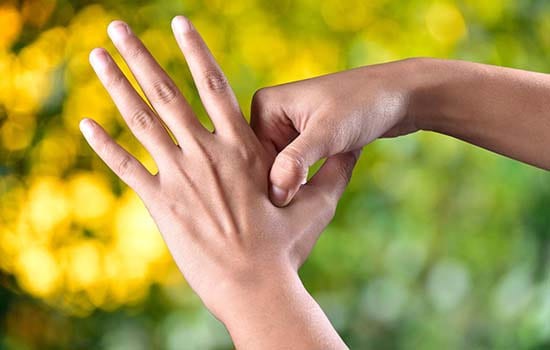
Acupressure
Acupressure is offered at Sevyam as a complementary wellness therapy - used to support overall wellbeing as part of the holistic care programme. It is not claimed to independently manage or reverse blood sugar levels.

6
Yoga and Pranayama
Regular physical activity plays a meaningful role in diabetes management - and yoga offers a form of movement that combines physical activity with breathing practice and stress regulation. Chronic stress affects blood glucose levels directly, and managing it consistently is part of what makes diabetes care effective over time.
At Sevyam, structured yoga and pranayama practices are incorporated into the daily routine as part of the holistic diabetes care programme - used as a supportive lifestyle element, not as a standalone diabetes treatment.
7
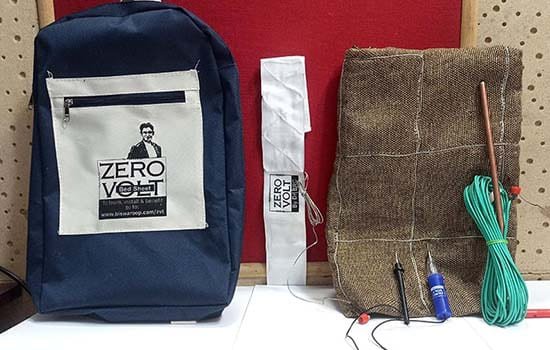
Earthing Therapy
Earthing therapy is incorporated into Sevyam’s holistic wellness routine as a supportive practice. It is included as part of the overall programme rather than as a standalone intervention for diabetes management.
8
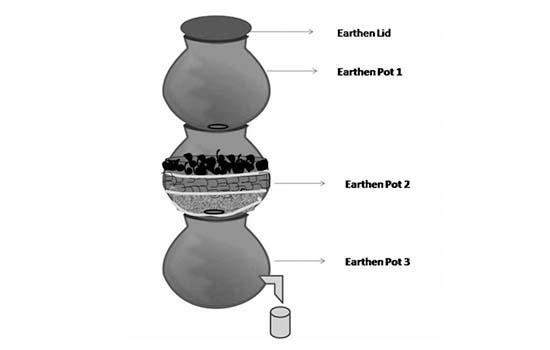
Living Water Therapy
Living Water Therapy at Sevyam involves water structured through earthen pots, used as part of the daily wellness routine within the holistic programme. Its role is supportive - part of the overall approach rather than a treatment for diabetes in isolation.

9
Natural Insulin Therapy
At Sevyam, this refers to dietary and lifestyle practices that aim to support how the body handles blood glucose through natural means - not a product or substance that replaces insulin. Anyone currently on prescribed insulin should continue taking it exactly as their doctor has directed. This is not an alternative to that. Any adjustments to prescribed medication need to happen through a proper medical consultation, not independently.
How Is Diabetes Diagnosed?
Diabetes is confirmed through blood glucose testing. Because Type 2 diabetes can develop without obvious symptoms, testing becomes particularly important when diabetes is suspected or known risk factors - such as family history, excess weight, or high blood pressure - are present.
Common Diabetes Tests
Fasting Plasma Glucose (FPG)
Blood glucose is measured after an overnight fast. One of the standard tests used for both diagnosis and ongoing monitoring.
HbA1c Test
Gives a picture of average blood glucose levels over the previous two to three months. Useful for both diagnosing diabetes and tracking how well it is being managed over time.
Oral Glucose Tolerance Test (OGTT)
Measures how the body processes glucose after a glucose drink is consumed. Used when other test results are inconclusive or when a more detailed picture of glucose handling is needed.
Random Plasma Glucose
A blood glucose reading taken at any point in the day, regardless of when food was last eaten. Used when symptoms are present and a quick assessment is needed.
Diagnostic thresholds for these tests are set out in clinical guidelines. A healthcare professional can advise which test is most appropriate and interpret results in the context of the individual’s full health picture.
Diabetes Management and Medication
Lifestyle and holistic support can meaningfully contribute to diabetes management - but they should not be presented as substitutes for clinically indicated medication.
Diabetes Medicines
Some people with Type 2 diabetes need oral or injectable medicines to manage blood glucose effectively. Which medicines are appropriate depends on the type of diabetes, current glucose levels, other health conditions, and individual circumstances. Treatment requirements can also change over time as the condition evolves. More than one medicine may be needed for some people.
When Is Insulin Needed?
Insulin is essential for everyone with Type 1 diabetes - it is not optional. Some people with Type 2 diabetes also need insulin, either from the outset or as the condition progresses over time. Insulin should never be stopped or reduced without proper medical guidance, regardless of any improvements seen in blood glucose readings.
Blood Glucose Monitoring
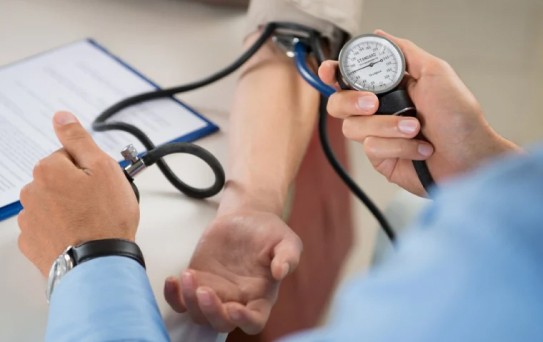
Blood glucose does not stay the same - it shifts based on food, activity, stress, sleep, and medication. Tracking it regularly through HbA1c tests, daily checks, or continuous monitoring where it has been set up is the only reliable way to know whether the current plan is doing what it should. It also catches problems with medication safety before they become bigger issues.
Can Diabetes Medication Be Reduced?
For some people with Type 2 diabetes, sustained improvement in blood glucose control through lifestyle changes may eventually allow medication to be reviewed. Whether a reduction is appropriate is determined through clinical assessment and monitoring - not by how someone feels or by blood glucose readings on a single good day. Medication should never be stopped or reduced independently. Any changes should be made under proper medical supervision.
Who Can Seek Diabetes Care at Sevyam?
Sevyam’s diabetes-related care may be worth considering for people who are looking for support with lifestyle, dietary habits, and complementary approaches as part of an overall diabetes care plan.
People Who May Seek Support
- Adults with Type 2 diabetes looking for dietary and lifestyle guidance
- People interested in holistic or complementary approaches alongside existing medical care
- People who want structured support with ongoing diabetes management
- People concerned about blood glucose levels who have had or need appropriate medical assessment
- People who want a structured starting point for dietary and lifestyle changes
Diabetes Treatment Process at Sevyam
Step 1 - Consultation
A conversation about the person’s diabetes history, current symptoms, concerns, and what they are hoping to achieve. The starting point before anything is suggested.
Step 2 - Assessment
Available blood glucose and HbA1c reports are reviewed. Current diet, lifestyle habits, and existing medications are discussed to understand what is affecting diabetes management and where support would be most useful.
Step 3 - Individualised Care Plan
A care plan is built around the assessment - covering dietary habits, physical activity, lifestyle adjustments, weight management where appropriate, and the holistic therapies Sevyam offers. Existing medical treatment is taken into account throughout.
Step 4 - Therapy and Lifestyle Support
The actual Sevyam services begin - dietary guidance, lifestyle support, and selected holistic therapies based on what the individual’s care plan includes.
Step 5 - Monitoring
Blood glucose and HbA1c changes are tracked alongside symptom changes and response to the care plan. Medication-related considerations are noted and flagged where appropriate.
Step 6 - Follow-Up
Progress is reviewed, the care plan is adjusted where needed, and ongoing monitoring is encouraged. Where clinical medical care is required, appropriate referral or coordination is supported.
Diabetes Treatment Centre in Jaipur
Diabetes Care in Jaipur
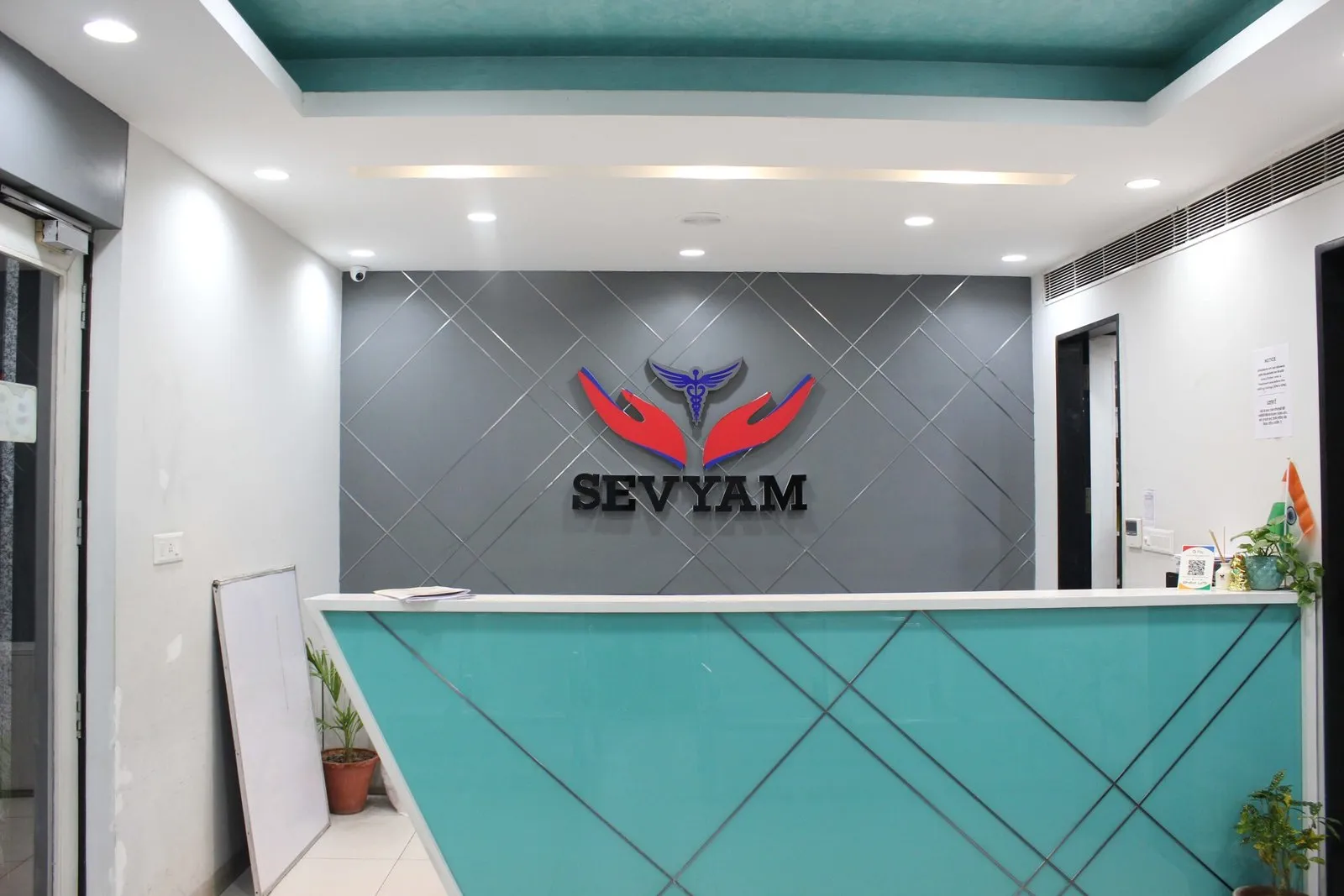
Sevyam HIIMS provides diabetes-related holistic and lifestyle care in Jaipur - offering personalised dietary guidance, lifestyle management, selected complementary therapies, and ongoing monitoring support as part of its diabetes care programme.
Where to Find Sevyam in Jaipur
Address:
Sevyam HIIMS, 41, Ajmer Road, Mission Compound, Jaipur, Rajasthan - 302001
Phone:
0800 321 4000
WhatsApp:
+91 83069 98667
Email:
info@sevyam.in
Consultation:
In-clinic appointments and online consultations both available.
Who Should Coordinate With Their Existing Doctor?
Anyone on prescribed diabetes medication - including insulin - should continue their treatment as directed and maintain regular follow-up with their existing healthcare provider. Sevyam’s holistic and lifestyle-based services are best considered as complementary support. Any changes to prescribed treatment should only happen under appropriate medical guidance.
FAQs
Can Type 2 diabetes go into remission?
For some people with Type 2 diabetes, sustained improvements in blood glucose – particularly through significant lifestyle changes and weight management – can lead to remission, where glucose returns to a non-diabetic range without active medication. Remission is not a cure, and ongoing monitoring remains important because the condition can return if lifestyle changes are not maintained.
Is diabetes remission the same as a cure?
No. Remission means blood glucose is in a normal range without active medication at that point in time. It does not mean diabetes has gone permanently. The condition can return, particularly if the lifestyle changes that supported remission are not kept up – which is why monitoring continues even during remission.
Can I stop diabetes medication if my blood sugar improves?
Not without proper medical guidance. Improved readings are encouraging but medication should only be reduced or stopped under the supervision of a qualified healthcare professional, with monitoring in place to make sure it is safe to do so.
Do people with Type 2 diabetes always need insulin?
Not always. Many people with Type 2 diabetes manage well with lifestyle changes and oral medication. Some do need insulin – either initially or as the condition progresses. This is determined through clinical assessment and monitoring over time, not by the diagnosis alone.
How often should blood sugar and HbA1c be monitored?
There is no single answer that fits everyone. HbA1c tends to get checked every three months when a treatment plan is being actively managed or adjusted – less often once things have settled into a stable pattern. How frequently blood glucose gets checked day to day depends on the individual, what type of diabetes they have, and what their healthcare professional has recommended for their specific situation.
Can lifestyle changes help manage Type 2 diabetes?
Yes – diet, physical activity, weight management, sleep, and stress management all influence blood glucose. For some people with Type 2 diabetes, consistent lifestyle changes can significantly improve glucose control. The degree of effect varies between individuals and depends on multiple factors.
Can holistic therapies be used along with diabetes medication?
Generally yes – but this should be discussed with the treating healthcare professional. Some therapies or dietary changes may affect blood glucose levels, which needs to be monitored. Holistic therapies at Sevyam are positioned as complementary support, not as replacements for prescribed medication.
Can people with Type 1 diabetes seek diabetes care at Sevyam?
People with Type 1 diabetes require insulin as an essential and ongoing part of their medical management. Sevyam’s holistic and lifestyle-based services may be considered as complementary support – but insulin and appropriate medical management must continue. Anyone with Type 1 diabetes should discuss any complementary care with their healthcare provider before starting.
What happens during a diabetes consultation at Sevyam?
The consultation covers diabetes history, current symptoms, available reports, dietary and lifestyle habits, and what the person is hoping to achieve. From there, an individualised care plan is developed – considering what holistic and lifestyle-based support is appropriate alongside existing diabetes management.
Where is Sevyam’s diabetes treatment centre in Jaipur?
Sevyam HIIMS is at 41, Ajmer Road, Mission Compound, Jaipur, Rajasthan – 302001. In-clinic and online consultations are both available. Contact the team on 0800 321 4000 or via WhatsApp at +91 83069 98667 to book an appointment.