


Meet Our Heart Care Expert
Personalised Heart Care Guided by Experience & Integrated Healthcare
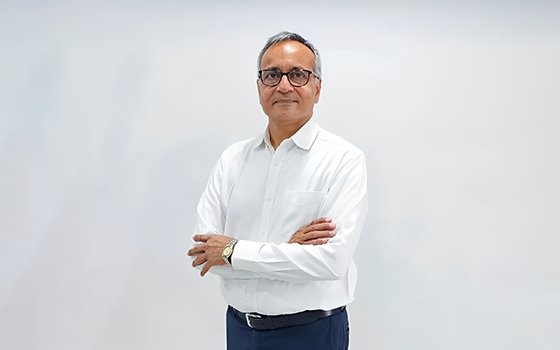
Raja Mookim - NICE & WISE Expert
Raja Mookim's work has always come back to one thing. People should get a chance at natural, non-invasive care before anything more aggressive gets put on the table. That conviction is what started Saaol Heart Center -a place built specifically around treating heart disease without rushing to surgery, angioplasty, or bypass procedures as the first answer. As the years went on, the work kept expanding because the results kept showing what was possible when heart patients got the right kind of attention -proper diagnosis, the right therapies, and a team that actually stayed involved. Under Sevyam now, that same thinking is still at the centre of everything. Heart care here draws on Ayurveda, Naturopathy, Homeopathy, and Allopathy -all working as one rather than four separate things pulling in different directions. EECP therapy sits at the core of what makes non-surgical heart treatment possible for many patients who walk through the door worried about blockages, angina, or a heart that just isn't pumping the way it should. The target has never changed -get to the root of what's wrong and fix it properly, so the patient doesn't find themselves sitting in the same chair with the same problem a few months down the line.
Why Choose Sevyam as Your Heart Specialist in Jaipur?
There are plenty of places to get heart care in Jaipur. What's different here is how it actually gets
delivered.
Experienced Heart Care Team
Different specialists, same patient - working together rather than in separate rooms. Every case gets
looked at from more than one angle before anything is recommended.
Advanced EECP Therapy
Non-invasive, no procedure, no recovery time. EECP improves blood
flow to the heart and has made a real difference for patients dealing with coronary artery disease, angina,
and reduced heart function.
Non-Surgical Heart Treatmentd
Surgery isn't always the first answer here. For patients who want
to explore what's possible before going that route, learn more about heart disease treatment without
surgery at Sevyam - focused on non-surgical options wherever they're genuinely appropriate.
Integrated Treatment Approach
Ayurveda, modern diagnostics, lifestyle management, and nutrition
support - not run separately, but pulled together into one care plan that addresses more than just the heart
in isolation.
Personalised Care Plans
No two patients get the same plan. Age, lifestyle, medical history,
existing conditions, recovery goals - all of it goes into shaping what gets recommended.
Lifestyle & Diet Counselling
What you eat, how you sleep, how much stress you're carrying -
these things directly affect the heart. They get as much attention here as any therapy does.
Continuous Heart Health Monitoring
Regular check-ins track how things are moving. If something needs
adjusting, it gets adjusted - rather than waiting for the next problem to show up.
Modern Diagnostic Support
Treatment doesn't start until there's a clear picture of what's
actually causing the symptoms. That's just how things work here.
Heart Conditions Treated by Our Heart Specialist in Jaipur
Whether symptoms are just beginning to surface or a long-term condition needs proper ongoing management, the team at Sevyam works on improving heart health through non-surgical, personalised care.
Coronary Artery Disease
Plaque quietly narrows the arteries over years - reducing blood flow to the heart before most people realise anything is wrong. The team evaluates what's happening and builds an integrated plan around improving circulation and protecting long-term heart health.
Blocked Heart Arteries
Arterial blockages raise the risk of chest pain and cardiac events. Rather than jumping to surgery, the severity gets assessed first - and treatment options like EECP therapy, lifestyle management, and integrated care get considered based on what actually fits the individual.
Angina (Chest Pain)
Recurring chest discomfort that keeps coming back usually means blood flow to the heart is being restricted somewhere. The care team tracks down the cause and builds a plan to relieve the symptoms and get circulation moving better.
High Blood Pressure
Stubborn BP puts the heart under constant pressure - and over time, that pressure adds up. Lifestyle changes, dietary adjustments, and proper monitoring work together here to bring cardiovascular risk down steadily.
Heart Failure
When the heart can't keep up with what the body needs, daily life gets harder in ways that are hard to ignore. The focus at Sevyam is on managing symptoms, supporting whatever function is still there, and making day-to-day life more manageable.
High Cholesterol
Cholesterol building up in the arteries is one of those risks that doesn't hurt until it does. Personalised nutrition guidance and lifestyle correction help bring those numbers down and keep them there.
Heart Attack Recovery
Getting the heart functioning well again after a cardiac event takes time and the right support. Monitoring, rehabilitation, EECP therapy where it fits, and strategies to reduce future risk are all part of what recovery looks like here.
Arrhythmia
A heart that beats irregularly brings palpitations, dizziness, and fatigue that affect everything. Symptoms get looked at carefully - and management strategies get built around what that specific heart actually needs.
Early Heart Disease
The frustrating thing about early heart disease is that it often doesn't feel like much at all. Timely assessment catches what might otherwise stay hidden until something more serious happens.
Poor Blood Circulation
Reduced circulation shows up as fatigue, leg discomfort, or chest tightness - the body struggling to get oxygen where it needs to go. Improving blood flow is at the centre of how this gets managed at Sevyam.
What Heart Treatment Actually Looks Like at Sevyam HIIMS

EECP Therapy
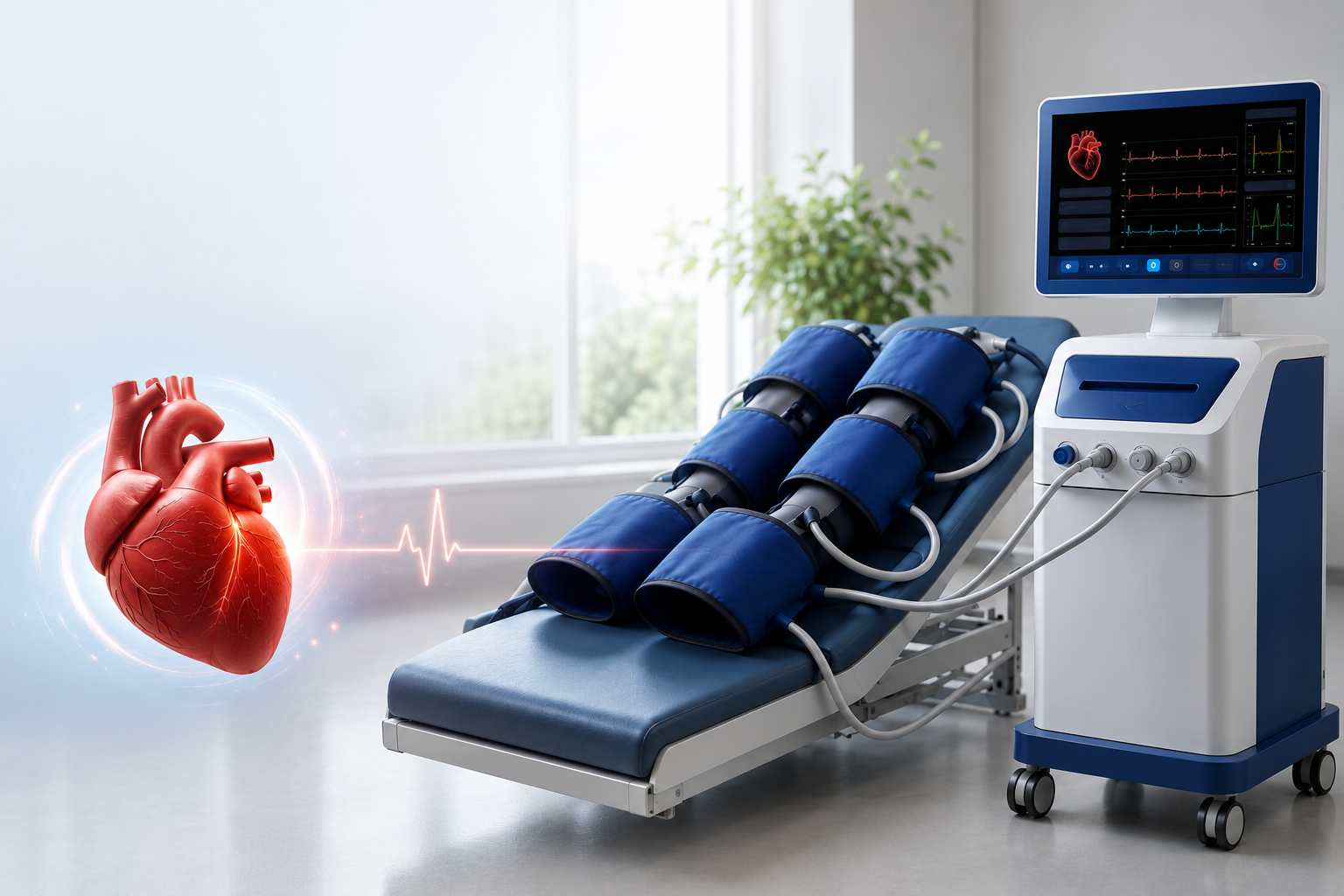
Most patients haven't heard about EECP treatment in Jaipur before they come here. Pressure cuffs on the legs push blood toward the heart during the rest phase between beats - no surgery, no procedure, no admission. Patients dealing with narrowed arteries, angina, or a weakened heart have sat through their first few sessions not quite believing it would do much - and then their follow-up reports told a different story. It gets called a natural bypass a lot. For many patients in Jaipur, that's exactly what it's turned out to be.

Integrated Heart Disease Treatment
Ayurveda and modern medicine don't usually sit at the same table. At Sevyam, they do - and lifestyle correction sits right alongside them. The heart gets treated as part of a whole person, not a single broken component.

Heart Health Evaluation & Diagnosis
ECG, 2D Echo, blood tests, risk assessment, treatment planning - all of it comes before any recommendation is made. Getting the diagnosis right is what everything else depends on.

Lifestyle & Cardiac Rehabilitation
Exercise guidance that's actually realistic, stress management that fits into daily life, physical recovery support, and daily activity planning - structured around what the patient can genuinely follow through on.

Diet & Nutrition Counselling
A heart-friendly eating plan that's actually personalised - built around cholesterol management, blood pressure, and weight, based on real reports rather than a standard handout.

Preventive Heart Care
For patients who want to get ahead of things - family history assessment, regular screening, and risk reduction strategies that don't wait for symptoms to show up first.

Long-Term Heart Disease Management
Follow-ups, medication reviews, lifestyle monitoring, recovery tracking - heart care at Sevyam doesn't stop after the first round of treatment. It keeps going because that's what actually makes the difference long term.

Personalised Heart Care Plans
Every plan is built around the individual - symptoms, age, medical history, and ongoing monitoring built in from day one.
Symptoms You Should Not Ignore
Heart problems often start small - easy to brush off as stress, tiredness, or just getting older. These
signs deserve attention sooner than most people give them.
| Symptom | What It May Be Telling You |
|---|---|
| Chest pain or tightness | Blood flow to the heart may be restricted |
| Breathlessness | Could point to heart disease or reduced heart function |
| Ongoing fatigue | Poor circulation affecting energy throughout the body |
| Swollen legs or ankles | Often linked to heart failure or fluid buildup |
| Palpitations | May signal an irregular heartbeat |
| High blood pressure | A major driver of cardiovascular risk |
| Dizziness | Reduced blood flow or a heart rhythm issue |
| Pain spreading to the left arm | A classic warning sign of a heart attack |
Who Should Visit a Heart Specialist?
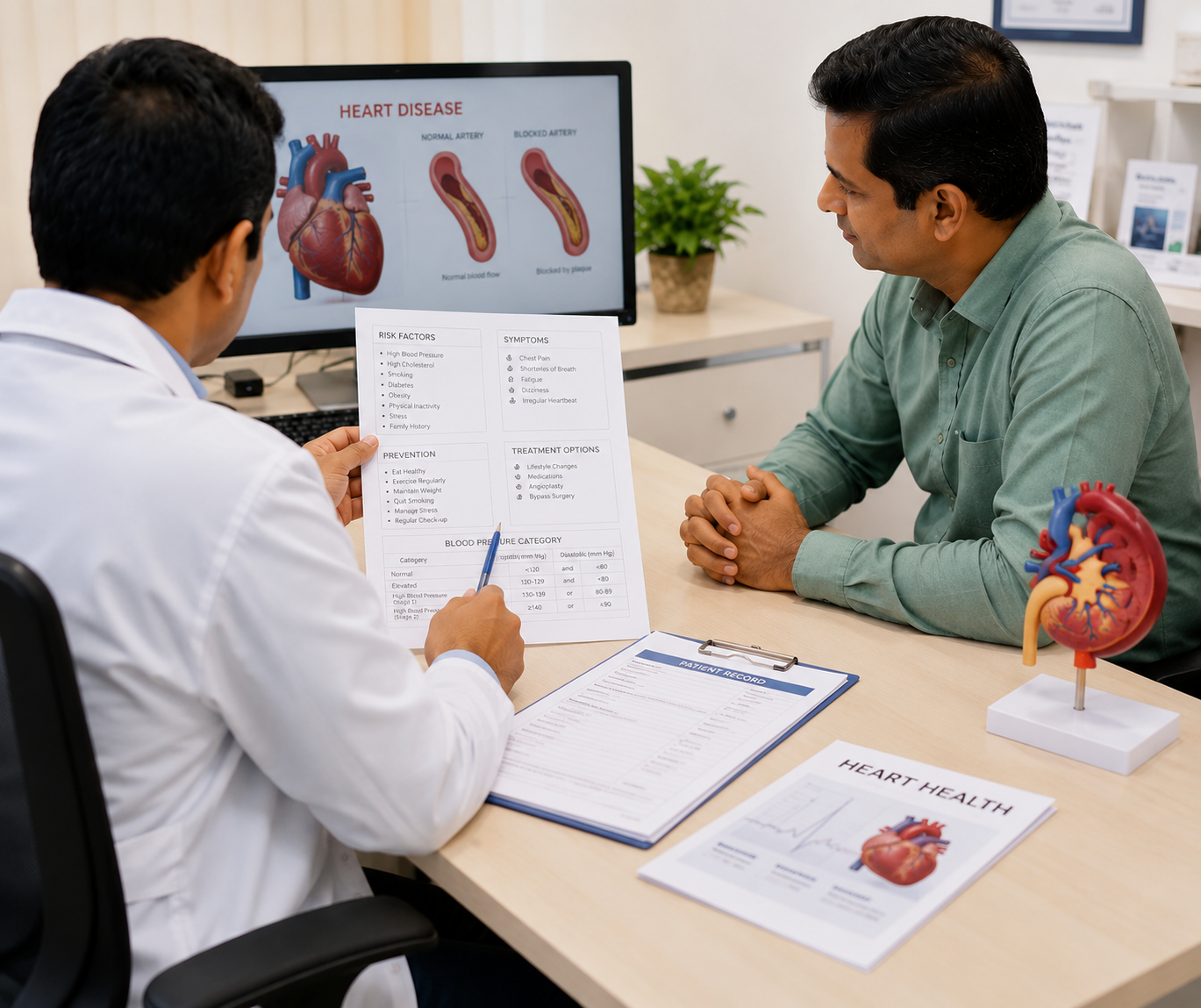
Anyone carrying risk factors for heart disease or noticing symptoms worth checking should get a proper assessment done. Catching things early changes what's possible - significantly.
You should consider seeing a heart specialist if you have:
- High blood pressure
- Diabetes
- High cholesterol
- A family history of heart disease
- Excess body weight
- A smoking habit
- Had a heart attack before
- A mostly sedentary lifestyle
- Frequent chest discomfort
- Breathlessness during everyday tasks
Our Heart Care Process
1
Consultation

2
Heart Evaluation
3
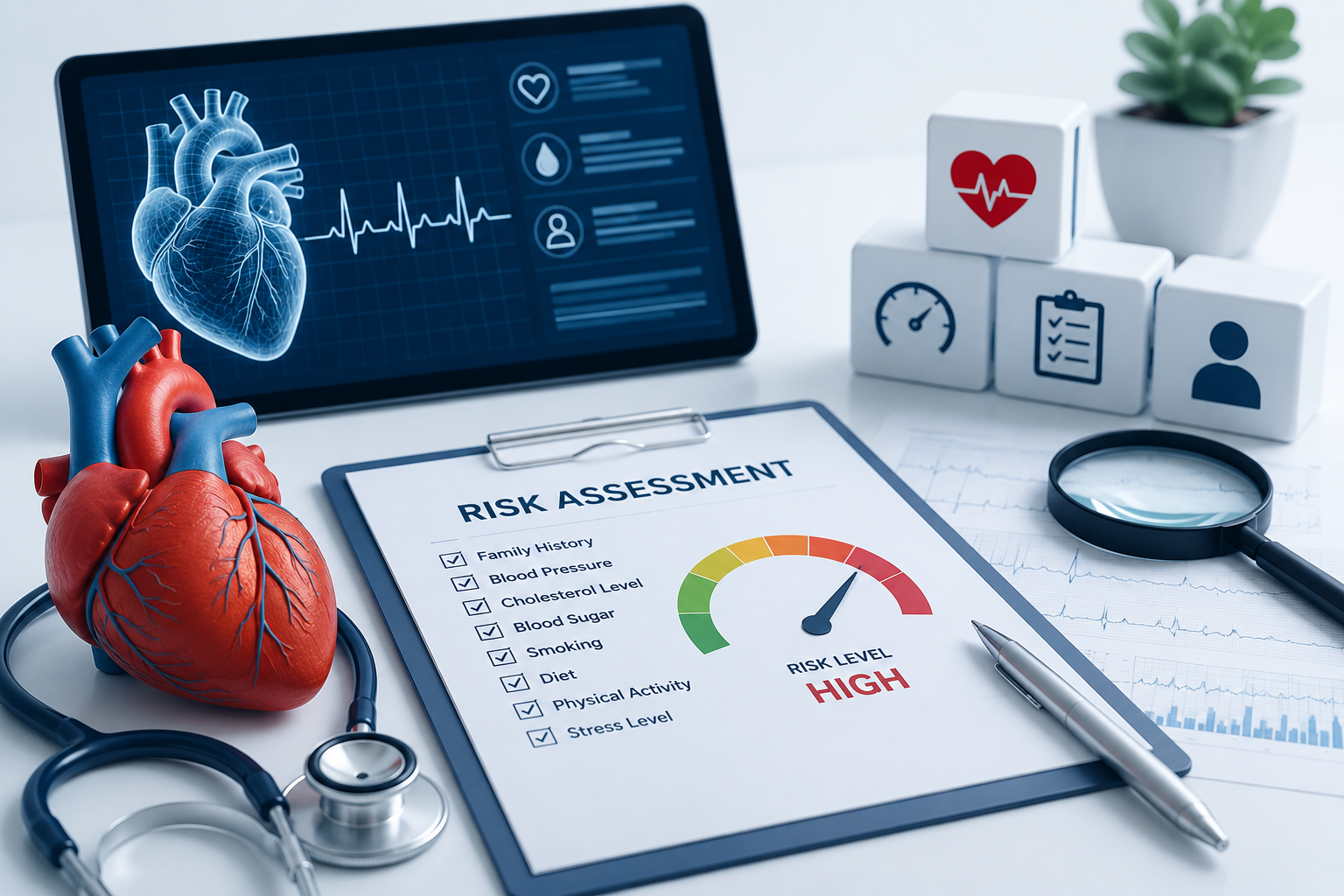
Diagnosis & Risk Assessment
4
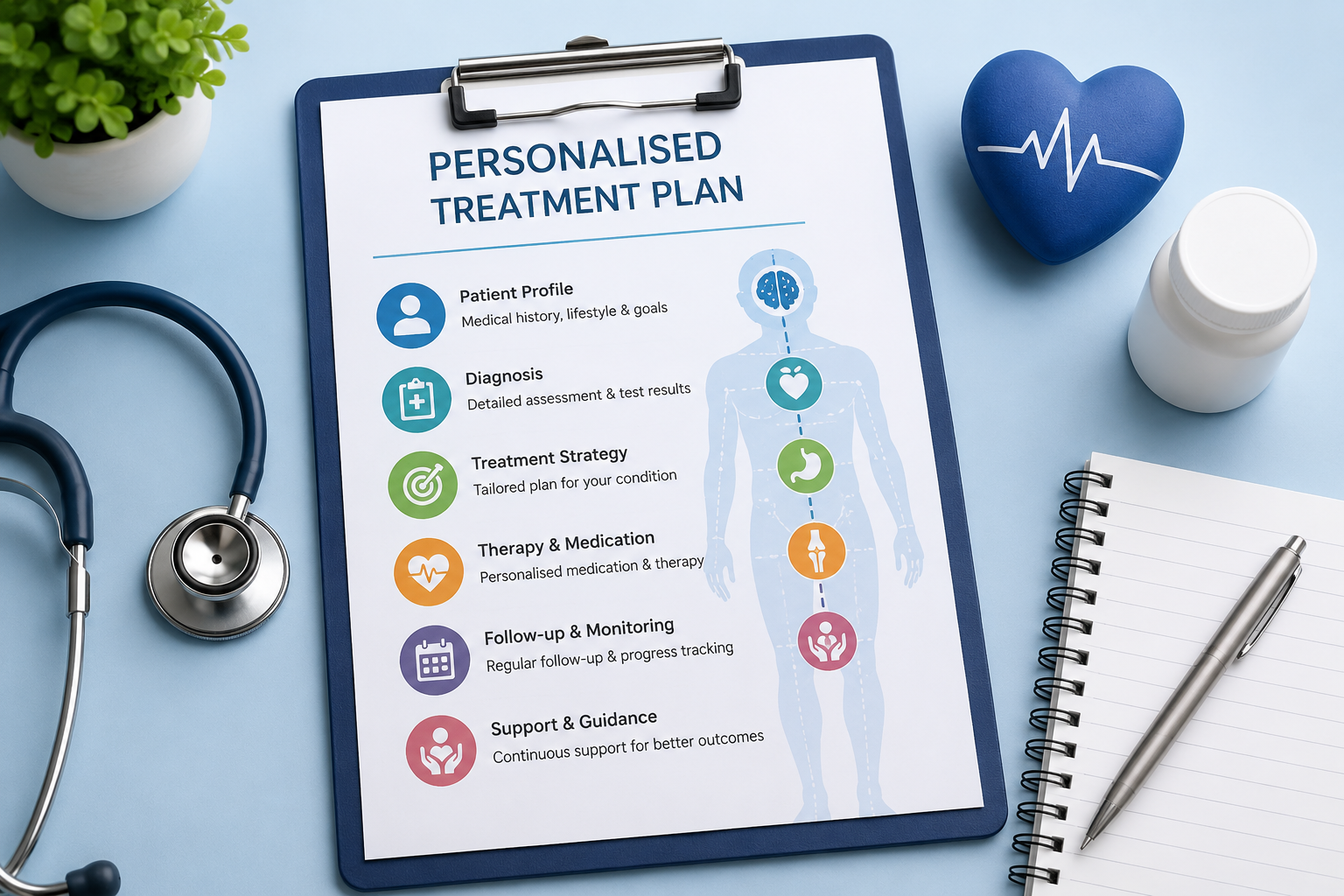
Personalised Treatment Plan
5
EECP Therapy / Integrated Heart Care
6
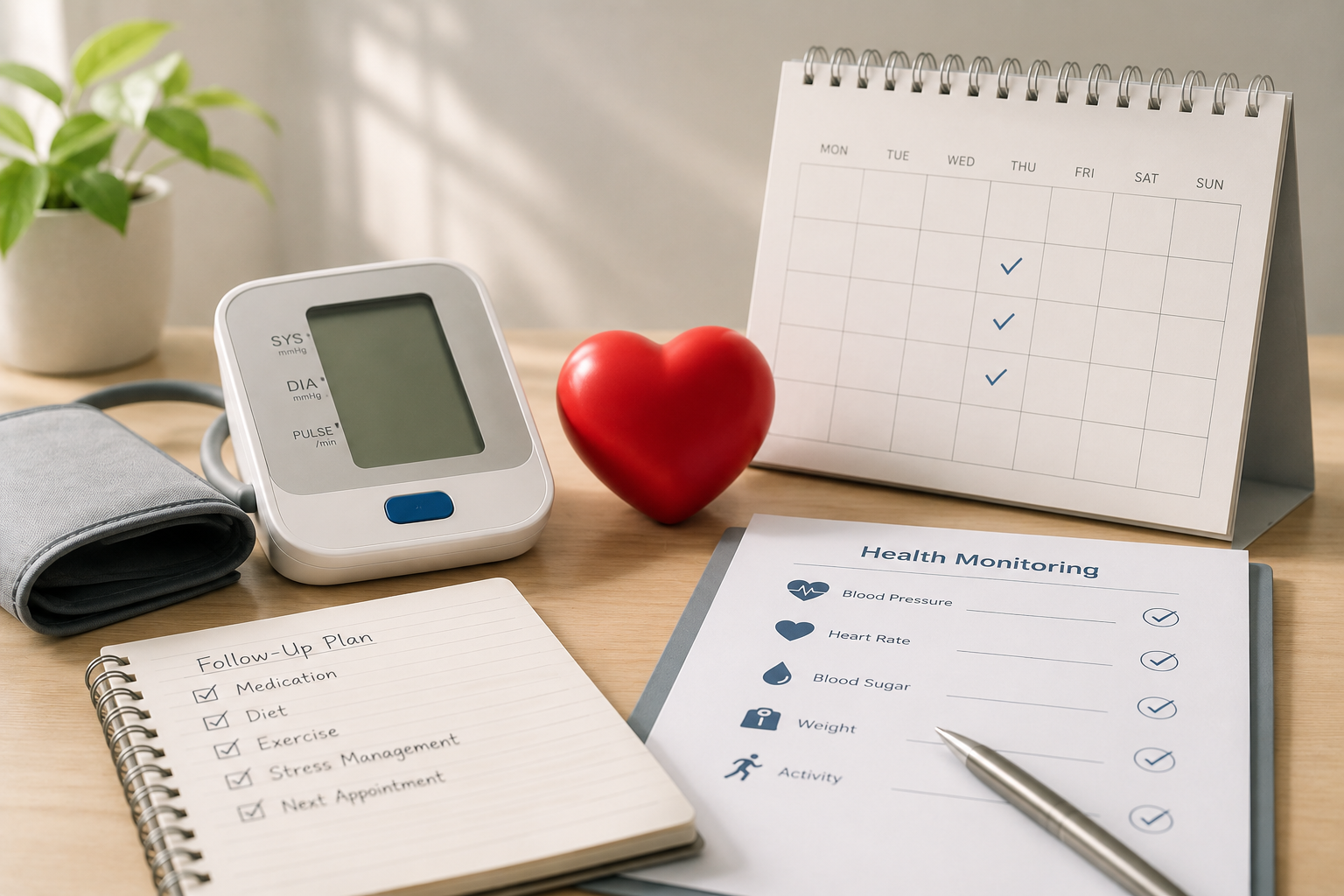
Regular Follow-Up & Monitoring
Every step is built around getting the diagnosis right, matching treatment to the actual person, and staying involved well past the first visit - because that's when the real work happens.
Why Early Heart Care Matters
Waiting for a heart problem to get serious before doing something about it is one of the costlier mistakes people make. Here is what happens when you don't wait:
Prevents Serious Complications
A problem caught at the early stage is a completely different situation from one that's been quietly worsening for two years. Heart attacks and major cardiac events become far less likely when things get addressed before they spiral.
Improves Blood Circulation
When the heart gets the right support early, blood moves better - and when blood moves better, the whole body feels it. Energy improves, organs function better, and the strain on the heart itself comes down.
Reduces Long-Term Health Risks
Heart disease left alone doesn't stay the same - it gets worse. Dealing with it early keeps it from turning into something much harder to manage a few years down the line.
Enhances Quality of Life
Stairs that don't leave you breathless. Walks that don't bring on chest tightness. A daily routine that isn't constantly interrupted by how the heart is feeling. Early care is what makes that kind of normal possible.
our location
Jaipur, Rajasthan
41, Ajmer Rd, nr. Ajmer Puliya, Mission Compound, Jaipur, Rajasthan 302001, India
Jaipur
Diagnosis Diaries
हार्ट की पम्पिंग काफी कम थी…हम कोई चांस नहीं लेना चाहते थे !! – SUCCESS STORY – Mrs. Neena Agrawal
39 की उम्र में 99% व 90% तक के ह्रदय ब्लॉक को किया – नार्मल 65% – अमित कुमार
Heart EF – 35% से 57% – बिना सर्जरी के!! — शुगर नार्मल – डायबिटीज की दवाइयाँ हुई बंद !!
Best Heart Treatment without surgery – रामानंद कुमावत जी, भीलवाड़ा – ह्रदय का सफल इलाज बिना सर्जरी !!
हार्ट EF हुआ दोगुना | Heart EF Doubled with Sevyam Heart Treatment
Frequently Asked Questions About Heart Care in Jaipur
Who is the best heart specialist in jaipur?
Sevyam HIIMS brings together an experienced heart care team with expertise in non-invasive cardiac care and integrated wellness. For patients looking for a heart specialist in Jaipur who focuses on non-surgical, personalised treatment – Sevyam is a name patients across Rajasthan keep coming back to.
When should I consult a heart specialist?
Chest discomfort, breathlessness, palpitations, leg swelling, or fatigue that won’t go away – any of these showing up regularly is reason enough to get checked. Don’t wait for something serious to happen first.
What are the common symptoms of heart disease?
Chest pain, shortness of breath, swollen legs, dizziness, fatigue, irregular heartbeat, and pain that travels to the left arm are the ones most worth paying attention to. Some people have no obvious symptoms at all early on – which is why regular screening matters.
Can blocked arteries be treated without surgery?
Quite often, yes – particularly where blockages are early to moderate. EECP treatment, lifestyle correction, diet changes, and Ayurvedic support have all played a role in helping patients at Sevyam manage arterial blockages without going to surgery. Every case needs its own honest assessment, though.
Is EECP therapy safe?
It’s about as non-invasive as heart treatment gets. No cutting, no anaesthesia, no hospital admission – just pressure cuffs on the legs that work with the heart’s natural rhythm. The therapy has been around long enough and used on enough patients that its safety record is well established. Most people are surprised by how straightforward the sessions actually are.
How many sessions of EECP therapy are usually required?
Thirty-five sessions is the standard starting point – each one an hour long, usually spread across about seven weeks. That said, it’s not a fixed number for everyone. How the patient responds and what their heart actually needs gets reviewed as the sessions progress, and adjustments get made from there.
Can Ayurveda support heart disease management?
At Sevyam it does – though not as a replacement for medical care. What Ayurvedic protocols do well here is target the things that build up quietly over years and stress the heart – chronic inflammation, sluggish circulation, metabolic patterns that won’t respond to lifestyle changes alone. Sitting alongside modern treatment rather than competing with it, the impact tends to be more meaningful than either approach on its own.
What diagnostic tests may be recommended?
Before anything gets recommended at Sevyam, there’s a proper look at what’s actually going on. ECG, 2D Echo, Lipid Profile, Blood Pressure Monitoring – and Angiography when a clearer map of the arteries is needed. Treatment that isn’t built on a proper diagnosis is just guesswork.
How can I reduce my risk of heart disease?
Keep blood pressure and cholesterol in check. Eat less out of packets and more off a plate. Move regularly – nothing extreme, just consistent. Cut out smoking. Sleep properly. Manage the stress that never seems to switch off. None of this is news, but the patients who actually do it consistently are the ones whose hearts hold up better over time.
Can lifestyle changes improve heart health?
They can – and often by more than people expect going in. The heart responds to how you live every single day. Food, sleep, movement, stress – all of it either adds to or takes away from what the heart has to deal with. At Sevyam, lifestyle correction isn’t a footnote in the treatment plan. It’s one of the main things the plan is built around.
What foods are beneficial for heart health?
Vegetables, whole grains, fruit, a handful of nuts, meals that aren’t drowning in salt – these are what the heart runs well on. Pulling back on fried food, packaged snacks, excess sugar, and red meat takes a real load off the cardiovascular system. Not dramatically overnight, but consistently over time – and that’s what actually counts.
How often should heart patients schedule follow-up visits?
For most patients whose condition is stable, once every three months is a reasonable rhythm. If something is actively shifting or treatment is in full swing, more frequent check-ins make more sense. At Sevyam, follow-ups aren’t an afterthought – they’re how the team stays on top of whether the plan is working and where it needs to change.
Get In Touch