



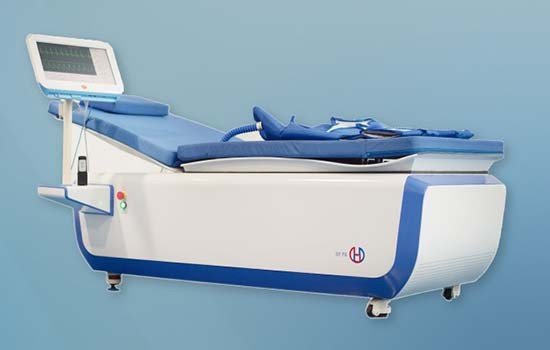
What Is EECP Treatment?
EECP stands for Enhanced External Counterpulsation. It is a non-invasive therapy used in the management of certain cardiac conditions - primarily in patients with chronic stable or refractory angina who continue to experience symptoms despite appropriate medical treatment.
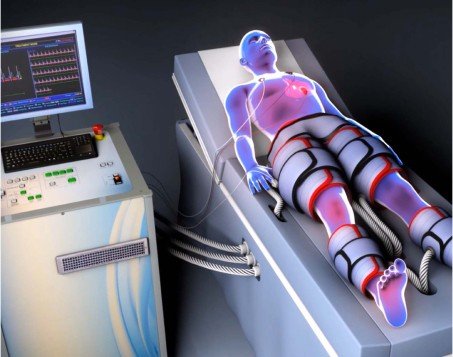
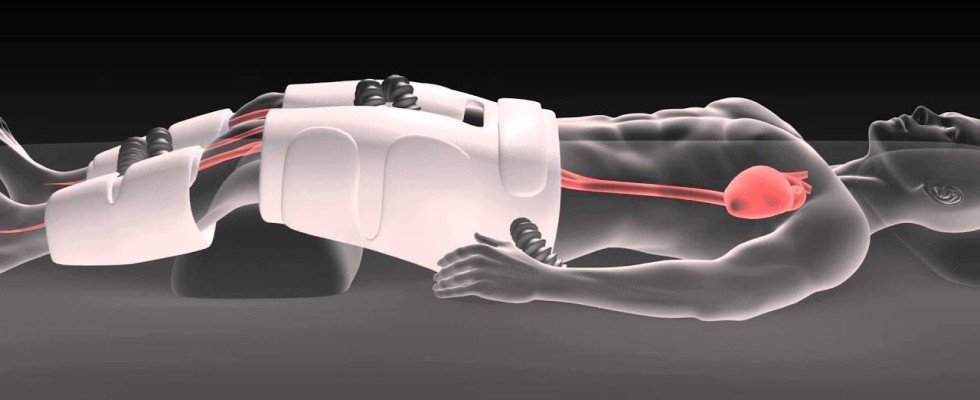
The therapy works through a set of inflatable cuffs placed around the calves, thighs, and lower buttocks. These cuffs are connected to an EKG monitor that reads the patient's heartbeat in real time. The cuffs inflate and deflate in precise synchronisation with the cardiac cycle - inflating during diastole, the resting phase between heartbeats, and deflating just before the heart contracts again.
This timed compression increases the pressure of blood returning to the heart during its rest phase, which can support coronary blood flow. The deflation just before systole reduces the workload the heart has to work against when it pumps.
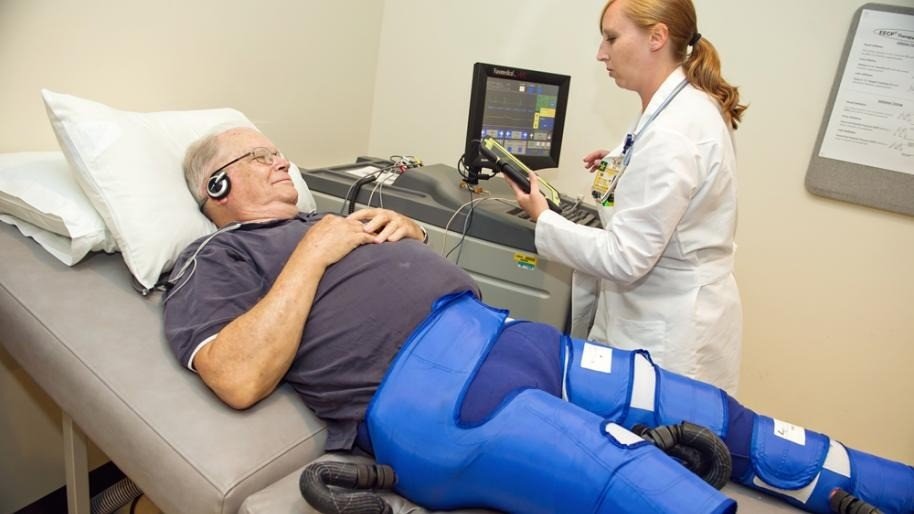
EECP does not require surgical incisions, anaesthesia, or hospital admission. Sessions take place in a clinical setting, with the patient lying on a treatment table while the cuffs do their work.
How Does EECP Treatment Work?
EECP treatment uses inflatable cuffs and EKG synchronisation to coordinate pressure with the heartbeat. Here is what a typical EECP treatment session involves:
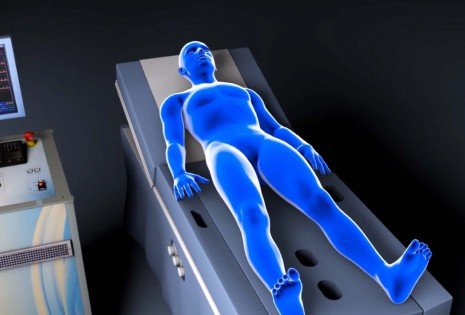
1. Prepare
Before the session begins, the patient lies down on a treatment table. A brief physical check is done, and the necessary monitoring equipment is set up to track heart activity throughout the session.
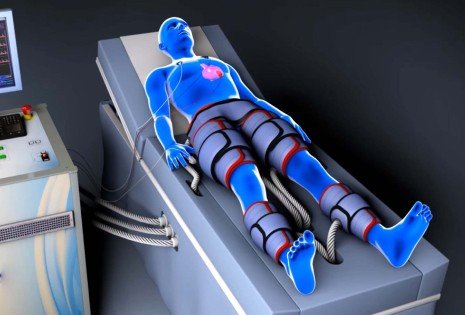
2. Air Cuffs
Three EKG patches are placed on the chest to monitor the heart's electrical activity. Inflatable cuffs are then wrapped around the legs and buttocks. Once everything is in place, the cuffs begin filling with air until they reach the required treatment pressure.
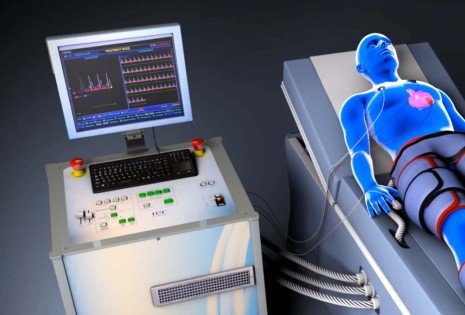
3. EKG Synchronisation
The EKG monitor reads the heart's electrical signals in real time. This signal is used to precisely time when the cuffs inflate and deflate, keeping the therapy in sync with each heartbeat throughout the session.
4. Heart rate
When the heart goes into its resting phase between beats, the cuffs inflate — pushing blood toward the arteries that supply the heart at the moment it can receive it most effectively. Just before the heart contracts again, the cuffs deflate rapidly, reducing the resistance the heart has to pump against.
Each session typically lasts around one hour. Patients are usually awake and can rest quietly during the treatment.
Each session typically lasts around one hour. Patients are usually awake and can rest quietly during the treatment.
Who Can Consider EECP Treatment?
EECP treatment is not a universal solution for every heart condition. It is considered for a specific group of patients where clinical assessment suggests it may be appropriate:
- Patients with chronic stable angina whose symptoms have not been adequately controlled with medication alone
- Patients with refractory angina - persistent angina despite optimal medical therapy - who are not suitable candidates for revascularisation procedures
- Patients with coronary artery disease who continue to experience symptoms and are being evaluated for non-invasive symptom management options
- Selected patients with heart failure, depending on clinical assessment and overall cardiac status
- Patients who are looking for non-invasive options for symptom management and have been evaluated by a cardiologist to determine suitability
Scope of EECP Therapy in Cardiovascular Conditions

Heart Blockage

Low Lvef

Cardio Mayopathy
Cardio Megly

Valve Leackage

Heart Hole

Arrythmiya (Irregular Heartbeat)

Heart Failure

Congenital Heart Conditions
Treatment for better heart health!
How Many EECP Sessions are Usually Needed?
A standard course of EECP treatment typically involves 35 to 40 sessions, each lasting around one hour. The exact number depends on the individual patient's condition and how they respond to treatment - so while 35 to 40 sessions is the general range, the treating team determines the final plan based on ongoing clinical assessment.
Some patients may have sessions adjusted based on their response or clinical circumstances. A treatment plan at Sevyam HIIMS is built around the individual patient's evaluation and is not applied uniformly across all patients.

EECP vs Angioplasty vs Bypass Surgery
These are three different approaches used in cardiac care - each with a different nature, purpose, and patient profile. They are not interchangeable.
EECP is not a universal substitute for angioplasty or bypass surgery. The right treatment depends on the patient's diagnosis, coronary anatomy, symptoms, overall clinical condition, and what their cardiologist determines is most appropriate after proper assessment. Patients should not use this comparison to self-select a treatment approach.
| Treatment | Nature | Typical Purpose |
|---|---|---|
| EECP | Non-invasive | Symptom management in selected patients with angina or CAD |
| Angioplasty | Minimally invasive | Opens a narrowed coronary artery, often with stent placement. |
| Bypass Surgery | Surgical | Creates a route around certain blocked coronary arteries |
Benefits Of EECP Treatment

Increases Collateral Circulation

Creates New Micro Blood Vessels

Stimulates Natural Bypass

Grows New Arteries
Reduces Arterial Stiffness

Improves Organ Dysfunction

Improves Blood Flow To The Brain

Strengthens Cardiovascular System
Increases Lymphatic Circulation

Increases Nitric Oxide

Improves Longevity

Stimulates Anti-aging Effects

Regenerates Organs And Tissue
Why Choose Sevyam for EECP Treatment in Jaipur?
Sevyam HIIMS in Jaipur provides EECP treatment as part of a structured cardiac care programme - not as a standalone service handed out without evaluation.
Jaipur-Based EECP Facility
Sevyam HIIMS is located in Jaipur, making EECP treatment in Jaipur accessible for patients from across the city and surrounding areas of Rajasthan.
Medical Evaluation Before Treatment
Every patient who comes in for EECP treatment undergoes a proper clinical evaluation before sessions begin. Treatment is not started without understanding the patient's cardiac history, current symptoms, and overall clinical picture.
Medical Supervision During Sessions
Sessions take place under medical supervision, with EKG and blood pressure monitoring throughout each session to track how the patient is responding.
Integrated Cardiac Care
EECP treatment at Sevyam sits within a broader cardiac care approach - including dietary guidance, lifestyle correction, and ongoing monitoring - rather than as an isolated procedure.
Treatment Planning
Each patient's EECP programme is planned based on their individual assessment - including how many sessions are recommended and how the schedule is structured.
Consultation and Appointment
Patients can book a consultation at Sevyam HIIMS to discuss whether EECP treatment is appropriate for their situation, what the evaluation process involves, and what a treatment plan might look like.
FAQs
What is EECP treatment in Jaipur?
EECP – Enhanced External Counterpulsation – is a non-invasive cardiac therapy available at Sevyam HIIMS in Jaipur. It uses inflatable cuffs synchronised with the heartbeat to support coronary blood flow in selected patients with conditions like chronic angina and coronary artery disease.
Who can benefit from EECP therapy?
EECP is primarily considered for patients with chronic stable or refractory angina whose symptoms have not responded adequately to medication, and selected patients with coronary artery disease being managed conservatively. Suitability is always determined through proper clinical assessment.
How does EECP therapy work?
Inflatable cuffs placed on the legs inflate during the heart’s resting phase, pushing blood toward the heart when it can receive it most effectively. The cuffs deflate just before the heart contracts, reducing the resistance it pumps against. The entire process is timed using continuous EKG monitoring.
How many EECP sessions are required?
Typically, 35–40 one-hour EECP sessions are recommended, usually scheduled five days a week over several weeks. However, the exact number and treatment schedule may vary depending on the individual patient’s condition, clinical plan, and response to therapy.
Is EECP treatment painful?
There’s no cutting, no needles, no surgical element of any kind – just inflatable cuffs on the legs working in time with the heartbeat. Patients are awake the whole time. How it feels varies from person to person, and it’s worth raising any specific concerns during the initial consultation before committing to sessions.
What are the side effects of EECP therapy?
For patients who’ve been properly assessed as suitable, EECP carries a low risk profile. Some people notice mild muscle soreness or skin sensitivity where the cuffs sit – nothing that tends to last. Anything that comes up during sessions should be mentioned to the clinical team, who can look at it in the context of the individual patient’s overall situation.
Is EECP an alternative to bypass surgery?
They’re not the same thing and shouldn’t be treated as substitutes for each other. Bypass surgery creates a physical route around a blocked artery. EECP works on symptom management in selected patients – it doesn’t change the anatomy of the coronary arteries. Which approach makes sense for any given patient comes down to their diagnosis, anatomy, symptoms, and what a cardiologist determines after a proper assessment.
Can EECP help with heart blockage?
In selected patients with coronary artery disease who are still experiencing symptoms and are being considered for non-invasive management options, EECP may be part of what’s evaluated. It’s not the right fit for every patient with blocked arteries, though – that call gets made through proper clinical evaluation, not on the basis of symptoms alone.
What is the cost of EECP treatment in Jaipur?
The cost varies based on how many sessions are needed and what the individual treatment plan involves. The most accurate way to get a clear figure is to book a consultation at Sevyam HIIMS – where the clinical picture can be assessed and a specific plan put together.
Where can I get EECP treatment in Jaipur?
Sevyam HIIMS in Jaipur offers EECP treatment as part of its cardiac care programme. Patients interested in finding out whether it’s suitable for them can book a consultation to go through their history, get evaluated, and understand what a course of treatment would look like for their situation.