



Natural Ways to Improve Digestion: 10 Simple Tips for Better Digestive Health
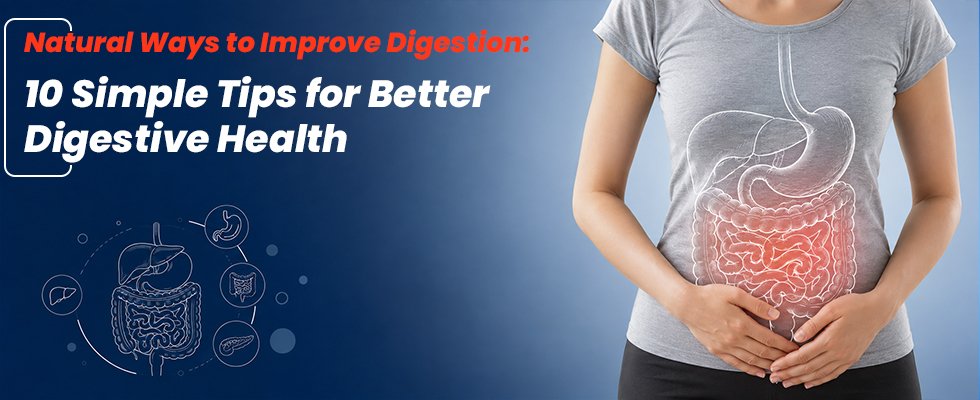
How to Improve Digestion Naturally - 10 Tips That Actually Work
Digestion is one of those things nobody thinks about until it starts going wrong. Bloating after meals, irregular bowel habits, that uncomfortable heaviness that sits around for hours - these are signs the digestive system is struggling with something. Good digestion isn't just about what you eat. It's about how you eat, how you sleep, how much you move, and how well you manage the stress that never quite switches off. The good news is that most digestive discomfort responds well to simple, consistent daily changes. This blog covers ten natural ways to improve digestion that are practical, realistic, and don't require anything complicated to get started.
What Is Healthy Digestion?
The digestive system is doing a lot more work than most people realise. From the moment food enters the mouth to the point it leaves the body, a long chain of processes - breaking down food, absorbing nutrients, moving waste along - has to happen in the right order and at the right pace.
Healthy digestion means food moves through the system comfortably, nutrients get absorbed properly, and the body eliminates waste without significant discomfort or irregularity. When that process slows down, speeds up, or gets disrupted, bloating, cramps, constipation, diarrhoea, or persistent discomfort tend to follow.
Occasional digestive trouble after a heavy meal or a stressful day is fairly normal. But when symptoms keep coming back - or when they're severe enough to affect daily life - that's usually a sign something needs attention. Persistent or recurring digestive symptoms, especially when linked to conditions affecting the stomach and gut, are worth discussing with a healthcare professional. Our page on Stomach Disorders covers a range of conditions that may need proper evaluation and care.
10 Natural Ways to Improve Digestion
1. Eat More Fibre-Rich Foods Think of fibre as the thing that keeps everything moving along properly. Fruits, vegetables, whole grains, lentils - they all bulk up what's going through the digestive tract and give the good gut bacteria something to feed on. One catch though - jumping from very little fibre to a lot overnight tends to cause bloating and gas. Bring it in slowly and make sure water intake increases at the same time.
2. Stay Hydrated Not glamorous advice, but genuinely important. Water softens what's moving through the intestines, helps the stomach break food down, and keeps the whole system from grinding to a halt. When someone isn't drinking enough, constipation is usually not far behind. A glass before sitting down to eat, a bottle kept somewhere visible, water instead of sugary drinks - none of this is complicated, but it adds up.
3. Give Your Food the Chewing It Actually Needs The stomach can't chew - that's the mouth's job, and a lot of people rush through it. When food isn't broken down properly before swallowing, the digestive system has to work harder than it should, and that extra effort tends to show up as bloating or a heavy feeling after eating. Eating a little slower, actually chewing, not eating on the go - it sounds basic because it is, and it genuinely makes a difference.
4. Include Probiotic Foods Trillions of microorganisms live in the gut and play a bigger role in health than most people give them credit for. Curd, yogurt, and fermented foods like idli, dhokla, and pickles feed those communities and help keep them balanced. Including these foods regularly is one of the simplest natural ways to improve gut health without overhauling how you eat entirely.
5. Choose Balanced and Less Processed Foods Ultra-processed food - the stuff that comes in packets, stays fresh for months, and has a long list of ingredients - tends to be hard on the gut. Low in fibre, high in additives, and generally not what the digestive system was designed to deal with regularly. Cooking at home, using real ingredients, keeping things simple - that's really all this point is asking for.
6. Exercise Regularly Sitting all day slows the gut down. The muscles in the intestinal wall need movement to do their job properly - and regular physical activity, even just walking, gives them that. People who move regularly tend to have more predictable digestion. A twenty-minute walk after dinner is one of the most underrated digestive habits there is.
7. Maintain Regular Meal Habits Skipping breakfast, eating lunch at 2 pm one day and 5 pm the next, grabbing dinner at 10 pm - the gut doesn't love unpredictability. It actually functions better when meals come at roughly the same times each day. Keeping some consistency in when food goes in tends to result in less bloating, less acidity, and more regular bowel habits.
8. Manage Stress The gut reacts to stress in ways that are very real and very physical - not just in someone's head. Cramping, nausea, rushing to the bathroom, or the opposite problem - all of these can be triggered by anxiety or emotional strain rather than anything eaten. Building in time to decompress, breathing exercises, yoga, meditation - these aren't just good for the mind. They genuinely calm the gut down too.
9. Get Enough Sleep The gut does important work overnight - repairing, regulating, resetting. Consistently cutting sleep short means that work doesn't get done properly, and the effects tend to show up as irregular digestion, sensitivity, or a gut that just feels off. Going to bed at the same time each night, not eating a heavy meal right before sleep, and keeping the bedroom quieter and darker all make a real difference.
10. Identify Foods That Trigger Digestive Discomfort One person's comfortable meal is another person's afternoon of bloating. Digestion is personal, and figuring out what the gut responds badly to is worth the effort. Writing down what was eaten and how the gut felt a few hours later - even just for a couple of weeks - usually reveals patterns that weren't obvious before. The point isn't to restrict everything. It's just to know what works for that particular gut and what doesn't.
Foods That May Support Better Digestion
- Fresh fruits and vegetables - especially the fibre-rich ones
- Whole grains - oats, brown rice, millets
- Yogurt and curd with live cultures
- Fermented foods - idli, dhokla, kanji, pickles
- Enough fluids through the day
- Simple home-cooked meals without excessive oil or seasoning
Foods and Habits That May Affect Digestion
- Deep-fried and excessively fatty food
- Packaged snacks and heavily processed meals
- Too much added sugar - soft drinks especially
- Rushing through meals without chewing
- Large meals eaten late at night
- Regular alcohol consumption, which irritates the gut lining
Persistent Digestive Symptoms Worth Getting Checked
Lifestyle changes help most people - but some symptoms point to something that needs more than just a better diet. These are worth taking seriously:- Abdominal pain that keeps coming back
- Vomiting that happens repeatedly without an obvious cause
- Blood showing up in stool or vomit
- Weight dropping without trying
- Diarrhoea or constipation that doesn't respond to dietary changes
- Difficulty swallowing food or liquids
- Symptoms that come and go but never fully resolve
If any of these sound familiar, a proper evaluation makes sense. Some stomach and gut conditions need targeted care beyond general lifestyle advice - our page on Ayurvedic Treatment for Stomach Disorders covers natural, integrated options for patients dealing with recurring digestive problems.
Conclusion
Getting digestion working properly isn't usually one big change - it's a bunch of smaller ones that stack up. Food, water, movement, sleep, stress, how fast meals get eaten - all of it feeds into how the gut functions on any given day. The tips covered here are worth trying gradually rather than all in one go. For anyone who keeps doing the right things and still finds symptoms coming back, Stomach Disorders covers natural, more targeted approaches that go further than general lifestyle advice.
FAQ's
How can I improve my digestion naturally?
More fibre, enough water, slower eating, regular movement, better sleep, and managing stress - these are the things that consistently make the biggest difference. Build them in gradually rather than trying to change everything at once.
What foods are good for digestion?
Fresh fruits and vegetables, whole grains, yogurt with live cultures, fermented foods, and home-cooked simple meals. Foods that are real, minimally processed, and eaten at regular times tend to suit the gut best.
Does drinking water improve digestion?
Yes - and most people aren't drinking enough of it. Water helps break food down, supports nutrient absorption, and keeps things moving through the intestines without getting stuck.
How does exercise help digestion?
Movement stimulates the gut muscles that push food along. People who don't move much tend to deal with more constipation and sluggish digestion. Even walking regularly makes a measurable difference.
Can stress affect digestion?
More than most people expect. The gut and brain are directly connected - and stress produces real physical symptoms in the digestive system. Cramping, nausea, bloating, and bowel changes linked to stress aren't just in the head.
What is the best food for better digestion?
No single food fixes everything - but building meals around fibre-rich vegetables, whole grains, and fermented foods while pulling back on processed and fried food puts the gut in a much better position overall.



 Lifestyle Modification
 Diet Care
 Chelation
 Panchkarma
 EECP
EECP SEVYAM at Home
 Diabetes
 Blood Pressure
 Sevyam Total Heart
 GRAD – Kidney Cure